Last updated: August 20, 2026
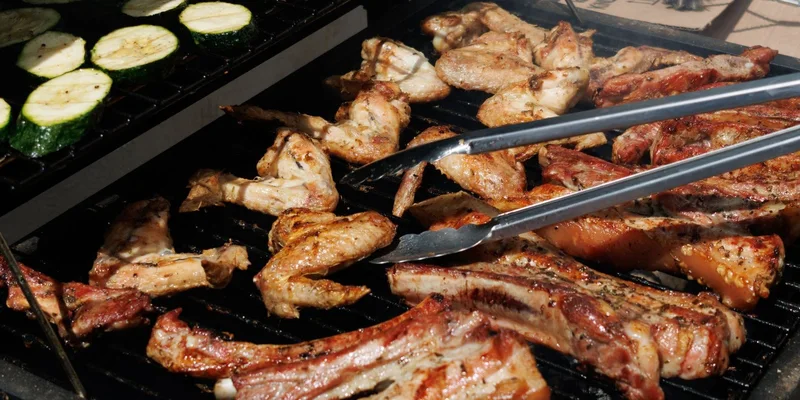
A grill turns a pontoon from an afternoon boat into an all day boat. It also introduces the two things a pontoon deck handles worst: an open flame and hot grease, both of them a few inches from vinyl furniture and carpet. The gear exists to do this properly, and most of the decision is about the mount rather than the grill.
Rail profiles decide what bolts on, deck layout decides where the grill can safely hang, and fuel type decides how much you carry. This guide covers all three, plus the accessories that stop a rail mounted grill from becoming a story you tell at the ramp.
This article contains affiliate links. If you buy through them, we may earn a commission at no extra cost to you. Learn more.
Quick Answer
What makes a pontoon boat grill mount stay put?
- Match the mount to your rail profile. Square rail and round rail brackets are not interchangeable.
- Hang the grill outboard of the rail, so heat, drips and flare ups happen over the water rather than over the deck.
- Choose a marine grade stainless grill body, because a backyard grill corrodes fast in this environment.
- Grill at anchor or at the dock, not under way, and keep the bimini and cover clear of the heat.
Bottom line: the bracket and its position decide whether this works, and the grill itself is the easy part of the purchase.
The Mount Matters More Than the Grill
Almost every problem with a boat grill traces back to the mount. A bracket sized for a round rail clamped onto a square one will rotate, a bracket over a walkway puts the grill where people move, and an undersized clamp lets the whole assembly rock when the boat takes a wake. Choose the mount first.
Marine grill makers publish mount options separately from the grill for exactly this reason. Magma, for example, sells its Marine Kettle grills alongside rail mounts, so the same grill body can be fitted to different rail types by picking the right bracket.
Measuring Your Rail
Take a tape to the rail and note two things: the profile, meaning square, round or oval, and the outside dimension across the flat or the diameter. Pontoon rails vary between builders and even between model years, so measure your boat rather than assuming a standard.
Then look at where a grill could hang without blocking the gate, the ladder or the walkway between the seats. That combination of profile plus a usable position is what narrows the choice, and it is worth deciding before you look at grills at all.
Grill Styles Compared
Boat grills split into purpose built marine units, adapted portable grills with a marine mount, and freestanding portables that live on a table or a bracket. Marine units cost more and hold up better in salt and spray. Adapted portables are more familiar to use and easier to take home at the end of the season.
| Style | Typical mount | Fuel | Best suited to |
|---|---|---|---|
| Marine kettle grill | Dedicated rail or rod holder mount | Small propane cylinder | Owners who grill often and leave it aboard |
| Portable with marine bracket | Clamp on rail bracket kit | Small propane cylinder | Occasional use, grill doubles for camping |
| Rectangular marine grill | Rail mount, larger footprint | Propane | Cooking for a full boat of guests |
| Electric marine grill | Rail mount | Shore power or inverter supply | Docks and marinas that restrict open flame |
Pontoon Grills by Situation
The Grill Lives Aboard All Season
A purpose built marine kettle grill in mirror polished stainless is the choice for owners who want the grill mounted and ready every trip. The round body handles wind better than a flat lid, and the marine grade stainless survives the constant damp that kills a backyard grill in a season.

You Want the Grill to Come Home With You
A compact portable propane grill on a clamp on marine bracket gives you a boat grill on Saturday and a tailgate grill on Sunday. Check that the bracket kit is rated for the grill’s weight and matches your rail profile, since these are usually sold as two separate purchases.

Your Rail Profile Is the Problem
If your grill is fine but the mount is wrong, buy the bracket rather than a new grill. Rail mount kits are made in square rail and round rail versions with different clamp openings, and getting the matching one converts a grill you already own into a properly secured one.

Keeping It Usable Next Season
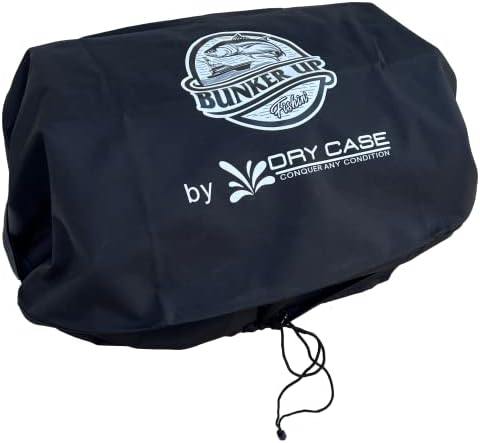
A fitted cover over a rail mounted grill keeps rain, pollen and bird traffic out of the burner, and stops the interior from rusting between trips. Combined with a wipe down after cooking, it is the difference between a grill that lights next spring and one that does not.
Propane, Placement and Common Sense
Grill only when the boat is stationary, at anchor or tied up, and with the grill hanging outboard of the rail. That single habit handles most of the risk, because grease, embers and flare ups end up in the water rather than on carpet. Keep the bimini, the cover and any canvas well clear of the heat.
Follow the grill manufacturer’s own instructions for connecting and disconnecting the cylinder, and disconnect it when you are done rather than leaving a live connection. Propane is heavier than air and settles into low spaces, which is why cylinders belong in ventilated storage and not in an enclosed locker or under a seat base.
Marina and Local Rules
Some marinas restrict open flame cooking at the dock, and some lakes and municipalities have their own rules about it. Those vary widely, so check with the marina and your state’s boating agency rather than assuming what is allowed at your home dock applies everywhere you tie up.
It is also worth checking whether your insurance or your slip agreement says anything about permanently mounted cooking equipment. That is a five minute conversation that occasionally changes the plan.
Where Owners Get It Wrong
The most common mistake is mounting the grill in the most convenient spot rather than the safest one. A grill next to the helm or beside the gate is in the way of exactly the people who need to move, and a grill inboard of the rail drips hot grease onto the deck every time you cook.
The second is using a backyard grill without a marine mount and calling it good. Freestanding grills slide when a wake rolls through, and a hot grill loose on a pontoon deck is a serious problem in a very small space. If the grill cannot be secured, it does not belong aboard.
Frequently Asked Questions
Can you put a grill on a pontoon boat? Yes, with a marine rail mount that matches your rail profile, positioned so the grill hangs outboard of the rail and clear of the walkway. Grill at anchor or at the dock rather than under way.
Will a regular portable grill work on a boat? Only if you add a marine bracket rated for it and can clamp it securely. A freestanding grill sitting loose on a deck moves with every wake, and standard steel bodies corrode quickly in a marine environment.
What size propane cylinder do boat grills use? Most compact marine and portable grills run on the small disposable cylinders sold for camping stoves, and the grill maker states which type its regulator is designed for. Follow that rather than adapting a larger tank.
Where should the grill be mounted on a pontoon? Outboard of the rail, away from the gate, the ladder and the main walkway, and clear of the bimini and any canvas. Aft corners are common because they keep heat and drips away from where people sit.
Do I need a stainless grill for a boat? Marine grade stainless holds up far better than painted steel in constant damp and spray, especially in salt water. A painted portable grill will work for a season or two but shows corrosion quickly.
How do I store the grill over winter? Clean it, remove and store the cylinder separately in a ventilated space, cover the grill or take it off the rail entirely, and keep it somewhere dry. A grill left mounted and uncovered all winter is the one that will not light in spring.
The Bottom Line
Buying a pontoon grill starts with a tape measure on the rail and a look at where the grill can hang without being in anyone’s way. Get a mount matched to your profile, keep the grill outboard of the rail, cook only when the boat is stationary, and pick a marine grade body if it is going to live aboard. Do that and the grill becomes the reason people stay on the boat until dark. See our pontoon accessories guide for the rest of the setup, and pontoon replacement furniture if the seats are the next job.