Last updated: August 20, 2026
A boat cover does not usually fail in one dramatic moment. It goes gradually: water stops beading and starts sitting, then soaks through in a heavy rain, then the underside of the cover feels damp for days and mildew moves in. By the time an owner notices, the fabric has often lost its factory water repellency and nobody remembers when that happened.
Waterproofing spray restores that repellency. It is not paint and it is not a rubber coating; it is a treatment that goes into the weave and makes water run off instead of wick in. Applied to a clean, dry cover at the right time, it adds seasons to a cover that would otherwise get replaced. Applied to a dirty or already leaking one, it locks the problem in.
This article contains affiliate links. If you buy through them, we may earn a commission at no extra cost to you. Learn more.
Quick Answer
What is the best way to waterproof a boat cover?
- Clean the fabric first. Treatment sprayed over dirt and mildew seals in the problem.
- Use a marine fabric guard made for canvas and covers, not a household water repellent.
- Apply to a dry cover on a dry day, in even coats, and let it cure fully before folding.
- Reapply on a schedule rather than waiting for the first leak, usually once a season.
Bottom line: clean, dry, treat, cure. Skipping the cleaning step is the single most common reason a waterproofing job disappoints.
Why Covers Stop Repelling Water
Factory water repellency is a finish applied to the fabric, not a permanent property of it. Sunlight breaks it down, dirt abrades it, and every wash removes some of what is left. After a season or two of real use the finish thins out, and water that used to bead starts soaking into the weave instead.
That is normal wear rather than a defect. The fabric underneath can be perfectly sound while the finish is gone, which is exactly the situation a fabric guard is designed for. Restoring repellency is far cheaper than replacing a cover that has plenty of structural life left in it.
What These Products Actually Are
Marine fabric guards are solvent or water based treatments that coat individual fibers so water and oil based stains cannot wick into the weave. They are made to keep fabric breathable, which matters, because a cover that cannot breathe traps moisture underneath and grows mildew on the boat instead of on the canvas.
The Two Products Most Owners Use
303 Marine Fabric Guard is the treatment 303 lists as recommended by Sunbrella for restoring water and stain repellency to marine fabrics. Star brite Waterproofing with PTEF is the other name that comes up constantly, sold in sizes from a hand sprayer up to a gallon, and its listing states coverage of roughly 232 square feet per 64 ounces.
What They Are Not
They are not sealants for a torn cover, and they will not fix seams that have started leaking through the stitch holes. Seam sealer is a separate product for that job. They also will not rescue fabric that has gone brittle and chalky from years of UV, which is a replacement situation rather than a treatment one.
Products by Situation
Restoring a Cover That Has Stopped Beading
A dedicated marine fabric guard is the straightforward choice for canvas covers, bimini tops and travel covers where the fabric is sound but water no longer runs off. Treat the whole cover rather than the spot that leaked, because the finish has thinned everywhere.

Treating a Large Cover Economically
A big travel or mooring cover eats product quickly, and buying a hand size bottle for a twenty foot cover means running out halfway. The larger sizes with a trigger sprayer or a refillable pump are the sensible buy when there is real square footage to cover.

Cleaning Before You Treat
Treatment only bonds to clean fabric. A canvas and cover cleaner made for marine fabric lifts dirt and residue without stripping what is left of the finish the way harsh household cleaners do. This step is not optional if you want the treatment to last.

Leaks at the Stitching Rather Than the Fabric
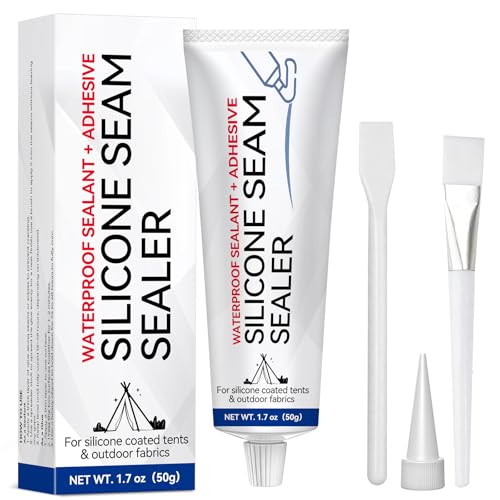
If water is coming through along the seams while the fabric itself still beads, the needle holes are the path. Seam sealer made for outdoor fabric closes those, and it is a different chemistry from a fabric guard.
Comparing Your Options
| Product | Job | Use on | Watch for |
|---|---|---|---|
| Marine fabric guard | Restores water and stain repellency | Canvas covers, bimini tops | Needs a clean, dry surface |
| Canvas cleaner | Removes dirt before treating | All cover fabrics | Avoid harsh household cleaners |
| Seam sealer | Closes stitch holes | Seams only | Does nothing for fabric repellency |
| Mildew remover | Kills and lifts staining | Stained canvas and vinyl | Test on a hidden area first |
How to Apply It So It Lasts
Work on a dry, still, mild day with the cover laid out flat or fitted on the boat. Clean it first, rinse thoroughly, and let it dry completely, which usually means longer than it looks. Then apply in even passes, keeping the fabric evenly damp with product rather than soaked in patches.
The Details People Skip
Follow the label for a second coat, because many products call for one while the first is still tacky. Give the treatment its full cure time before folding the cover or putting the boat away, and treat the underside of high wear areas too. Mask anything nearby you do not want overspray on, since these products go where the breeze takes them.
When to Treat, and How Often
Treat on a schedule rather than in response to a leak. Once a season is the common rhythm for a cover in regular sun, and the natural moments are at spring commissioning or right before the boat goes into winter storage. Both are times the cover is off and accessible anyway.
A simple field test tells you when it is due: flick water onto the cover and watch. Beads that sit on the surface mean the finish is working. Water that darkens the fabric and spreads means repellency is gone, and that is your reminder rather than the first puddle in the cockpit.
Frequently Asked Questions
How often should I waterproof a boat cover? Roughly once a season for a cover that lives in the sun, or whenever water stops beading and starts soaking in. Treating on a schedule works better than waiting for the first leak, since by then moisture has usually already been sitting against the fabric.
Can I use a household water repellent spray instead? It is not the same chemistry. Marine fabric guards are formulated for canvas and marine acrylics and are designed to keep the fabric breathable, which matters when the cover sits over a closed boat for weeks.
Do I have to clean the cover first? Yes. Treatment applied over dirt, salt or mildew bonds poorly and seals the contamination into the weave. Cleaning and full drying are what make the difference between a treatment that lasts a season and one that disappoints in a month.
Will waterproofing spray stop a leaking seam? No. Water coming through stitch holes needs seam sealer. A fabric guard restores the repellency of the fabric itself and does nothing for needle holes.
How much product do I need for a big cover? More than most people buy the first time. Check the coverage figure on the listing against the rough square footage of your cover; Star brite, for example, publishes coverage per bottle on its waterproofing spray.
Can I treat a bimini top the same way? Yes, bimini canvas is the same kind of fabric and benefits from the same treatment. Do it with the top up and tensioned so the product reaches the whole surface evenly.
The Bottom Line
Waterproofing a boat cover is mostly preparation. Clean the fabric, dry it completely, apply an even coat of a marine fabric guard, and let it cure before the cover goes back on. Do that once a season and a cover lasts years longer than one that gets treated only after it starts leaking. If your cover is pooling water rather than shedding it, the problem may be shape rather than fabric, which is what cover support poles solve. For staining that is already set in, see our guide to mildew removal on canvas and seats.