Last updated: August 20, 2026
Cracked vinyl on an otherwise sound seat is one of the few boat jobs where doing it yourself makes obvious sense. The shell is fine, the frame is fine, and what has failed is a skin held on with staples. A shop will quote a serious number per seat, and the materials cost a fraction of that.
It is not a difficult job, but it is a fussy one, and the difference between a seat that looks factory and one that looks homemade comes down to preparation rather than sewing skill. This guide walks through the whole process on a typical molded boat seat, including the part everyone skips: checking whether the base under the foam is still worth recovering.
This article contains affiliate links. If you buy through them, we may earn a commission at no extra cost to you. Learn more.
Quick Answer
How do you reupholster a boat seat?
- Strip the old vinyl carefully and keep it flat, because it is your pattern.
- Inspect and replace the substrate if the plywood is soft, and replace saturated foam.
- Cut marine vinyl with the stretch direction running across the seat, not along it.
- Staple from the centers outward with stainless staples, working opposite sides in turn.
Bottom line: the old cover is the pattern and the substrate is the decision point, so strip carefully and check what is underneath before buying material.
Decide First: Recover or Replace
Recovering makes sense when the shell and base are solid and only the vinyl has failed. It stops making sense when the plywood substrate is soft, the foam is saturated, or the shell itself is cracked, because at that point you are rebuilding the seat rather than reskinning it and a new seat may cost less than the materials plus your weekend.
Push a thumb into the base through the old vinyl in a few places. Firm everywhere means recover. Spongy anywhere, or a musty smell when you press, means water has been living in there and the substrate needs replacing at minimum.
The Pontoon Furniture Exception
Pontoon furniture is often built as large modular pieces with storage boxes underneath, and recovering those is a much bigger job than a single bucket seat. If the boxes themselves are sound, recovering the cushions alone is realistic. If the boxes are soft, our guide to pontoon replacement furniture covers buying complete groups instead.
The same logic applies to back to back lounges with plywood bases. Recover the cushion, replace the box.
Materials and Tools
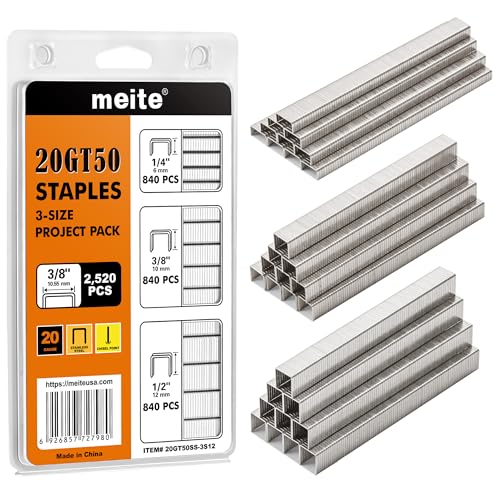
You need marine grade vinyl, which is UV stabilized and heavier than upholstery vinyl, plus replacement foam if the old foam is compressed or wet, stainless steel staples, a staple gun that can drive them into your substrate, and a good pair of shears. A heat gun on a low setting helps the vinyl relax around curves.
Do not substitute automotive or furniture vinyl. It has no meaningful UV package, and it will craze and crack in a single season of sun on an open deck.
Foam Choice
Closed cell foam does not absorb water, which is the right choice for an open boat that sits outside. Reticulated or quick draining foam lets water pass straight through, which suits seats that get wet regularly and need to dry fast. Standard open cell foam holds water and belongs indoors.
Buy foam slightly thicker than the original and compress it as you staple. A cover pulled over foam that is a touch oversized comes out tight and full rather than wrinkled.

Step by Step
The whole job runs in six stages: strip, inspect, pattern, cut, staple, reassemble. Work on one seat at a time so you always have an intact seat to refer to, and take photos before you remove anything. The photos are worth more than they sound like when you are reassembling a hinge two hours later.
Give yourself a full afternoon for the first seat. The second one takes half as long.
Stripping and Patterning
Pull the staples with a tack puller rather than tearing the vinyl off, because the old cover is your pattern and you want it in one piece. Lay it flat, mark which edge was the front, and note where the seams and any pleats fell. If the seat has piping, decide now whether you are recreating it or going without.
Trace the old pieces onto the new vinyl with a silver marker on the back face. Add a generous margin around the outside for the staple flange, since it is easy to trim later and impossible to add back.
Cutting and Stretch Direction
Marine vinyl has more give across the roll than along it. Lay your pieces out so the stretch runs across the seat, side to side, which is the direction the cover has to conform around the curve of the cushion. Getting this backward is the usual reason a home job wrinkles at the corners.
Cut with sharp shears in one pass rather than nibbling, and cut on the outside of your line. Vinyl edges that are chewed up will show at the staple flange.
Stapling
Start at the center of each side and work outward, alternating opposite sides so tension stays even. Pull firm and consistent rather than as hard as you can, since overstretching thins the vinyl and it will relax back into wrinkles later. Space staples close together, roughly a finger width apart along the flange.
Corners are the test. Relieve the fabric with small V cuts so it folds instead of bunching, warm it gently with the heat gun so it becomes pliable, then pleat the excess into two or three even folds rather than one thick one.
Doing It Without Sewing
Most single cushion boat seats can be recovered with no sewing at all. A one piece cover wrapped around the foam and stapled underneath handles a flat or gently domed cushion perfectly well, and the absence of seams removes the most common leak path into the foam.
Sewing becomes necessary when the original had a boxed edge, piping, or panels with different colors. If your seat has those and you want to keep them, a canvas shop can sew the panels for you and you can still do the stripping and stapling yourself.
| Stage | What matters most | Common mistake | Time |
|---|---|---|---|
| Strip | Keeping the old cover intact | Tearing it off, losing the pattern | Short |
| Inspect | Substrate firmness and foam condition | Recovering over wet plywood | Short |
| Cut | Stretch running across the seat | Laying pieces the wrong way | Medium |
| Staple | Even tension, centers outward | Overstretching, then wrinkles | Longest |
Making the New Vinyl Last
New vinyl fails the same way the old vinyl did unless something changes. The two things that shorten its life are ultraviolet exposure and dirt ground into the grain, and both are manageable. A cover over the seats when the boat is parked does more than any product you can apply.
Clean with a mild marine vinyl cleaner rather than household bleach sprays, which strip the plasticizer and leave the surface chalky. Our boat seat cleaner guide covers what is safe on marine vinyl and what quietly destroys it.
Protectant, Used Correctly
A vinyl protectant with UV inhibitors helps, applied to a clean surface and reapplied through the season rather than once in spring. Skip the glossy silicone products, which look good for a week and leave a slick seat that shows every fingerprint.
If you would rather not maintain vinyl at all, fitted seat covers over the finished job keep the sun off entirely and are far easier to replace than the upholstery underneath.
Frequently Asked Questions
How much vinyl do I need for one boat seat? Lay the stripped old cover flat and measure the rectangle it fits inside, then add margin for the staple flange. Buying a little extra is cheaper than running short mid job on a dye lot you cannot match.
Can I reupholster a boat seat without sewing? Yes, for most single cushion seats. A one piece cover wrapped and stapled underneath works well and avoids seams that let water into the foam.
What staples should I use? Stainless steel, not galvanized. Plain staples rust through from the back and leave streaks down the seat before the vinyl itself is worn out.
Should I replace the foam? Replace it if it is compressed, crumbling, or holds water when squeezed. Closed cell or quick draining foam is worth the upgrade in an open boat.
Can I recover a seat with a soft plywood base? Not successfully. Replace the substrate first with marine plywood or a composite board, otherwise the new vinyl is stapled to something that is already failing.
Does a heat gun help? On a low setting, yes. Warm vinyl conforms around corners instead of bunching. Too much heat shines and distorts the surface, so keep the gun moving and stay gentle.
The Bottom Line
Reupholstering a boat seat is a patient afternoon rather than a skilled trade. Strip the old cover in one piece so it becomes your pattern, be honest about the state of the substrate underneath, run the vinyl stretch across the seat, and staple from the centers outward with stainless staples. Keep the finished job out of the sun and clean it properly, which our seat cleaner guide covers, or fit seat covers over the top.