Last updated: August 20, 2026
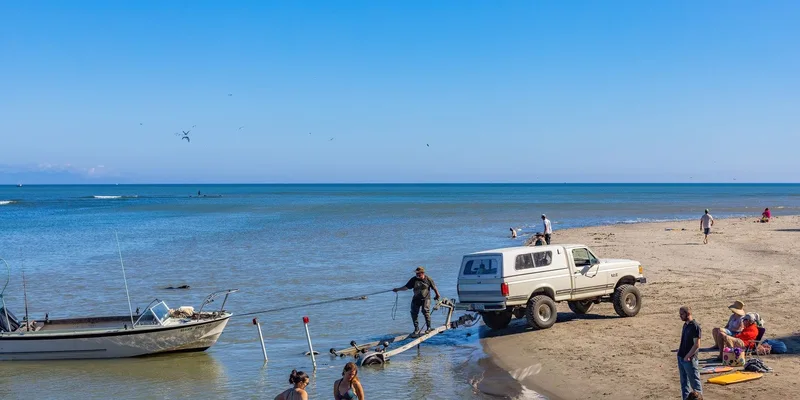
Loading a boat by yourself has a reputation it does not deserve. Most of the stress comes from doing it in front of an audience, on a busy ramp, with a boat that wanders off the bunks and a truck you keep running back to. Done in the right order, with the trailer set up properly, it is a calm five minute job.
This guide walks through the whole solo retrieval sequence: what to do in the staging area, how to position the trailer in the water, how to drive the boat on without over-relying on the motor, and where the winch takes over. The setup matters as much as the technique, so the trailer changes that make it easy are covered too.
This article contains affiliate links. If you buy through them, we may earn a commission at no extra cost to you. Learn more.
Quick Answer
How do you load a boat on a trailer by yourself?
- Prepare in the staging area, not on the ramp: lines ready, fenders off, gear stowed, trailer straps loose.
- Back the trailer in only as far as your setup needs. Too deep is the single most common cause of a crooked load.
- Use a bow line held or tied so the boat cannot drift while you walk up to the winch.
- Guide-ons do the aligning work that a second person would otherwise do, which is what makes solo loading repeatable.
Bottom line: set the trailer depth correctly, control the bow with a line, and let guide-ons and the winch do the rest.
Prepare Before You Touch the Ramp
Everything that can be done away from the ramp should be. In the staging area, get your bow line ready and long enough to reach the trailer, stow loose gear, pull the fenders in, and unclip the transom straps so they are not something you deal with later while people wait.
Have the tow vehicle set up too. Window down, mirrors adjusted for the trailer, and a clear idea of which lane of the ramp you are using. The preparation is what converts solo loading from a scramble into a sequence you can repeat.
Ramp Etiquette Is Not Optional
The line behind you is the reason for all of it. Occupying a ramp lane while you unstrap and rearrange coolers is the most reliable way to annoy every other boater there, and it makes you rush the part that actually matters. Rig in the staging area, use the ramp for launching and retrieving only.
Getting the Trailer Depth Right
Trailer depth decides whether the boat centers itself or floats sideways over the bunks. Too shallow and the hull will not climb on. Too deep and the boat floats above the bunks with nothing guiding it, so it lands crooked and has to be pushed back off.
The starting point for most bunk trailers is with the tops of the rear bunks just under the surface, so the hull touches them early and gets guided from the first foot of travel. Roller trailers can generally go slightly shallower still, because the rollers do the work of carrying the hull forward.
Find Your Mark Once
Once you find the depth that works for your rig, note where the water sits on the trailer, a fender, a bunk bracket or the frame, and use that as your reference every time. Ramps vary in slope, so the depth is a look rather than a fixed distance, but the mark gets you close instantly.
The Solo Loading Sequence
The order below assumes a bunk trailer, a single outboard and a ramp with a dock alongside. Adapt it to what you have, but keep the principle: the boat never sits uncontrolled in the water while you are somewhere else.
Step by Step
| Step | What you do | Where you are | Why it matters |
|---|---|---|---|
| 1. Tie up | Secure the boat at the dock with a bow line | On the boat, then the dock | Frees you to fetch the trailer safely |
| 2. Back in | Back the trailer to your depth mark, set the parking brake | Tow vehicle | Depth decides whether the hull centers |
| 3. Drive on | Idle the boat onto the bunks between the guide-ons | On the boat | Slow speed keeps the hull straight |
| 4. Hook and winch | Attach the winch strap and safety chain, crank it home | Trailer tongue | The winch, not the motor, seats the bow |
Driving On Without Power Loading
Approach slowly and square to the trailer, with just enough throttle to keep steerage against wind or current. The aim is to place the bow between the guide-ons and let the hull find the bunks, then shut down or drop to idle once the boat is tracking straight. The motor gets the boat onto the bunks, not up them.
Heavy throttle to drive a hull all the way up is what ramp regulars call power loading, and it digs a hole at the end of the ramp that eventually damages the ramp itself. Some ramps prohibit it outright, so check for posted signage and use the winch for the last part regardless.
Wind and Current
A crosswind or a river current pushes the bow off line before you reach the trailer. Angle your approach slightly upwind or upcurrent and let the boat drift down onto the centerline rather than fighting it with the wheel at the last second. On a windy day the bow line becomes the primary tool rather than a backup.
The Setup That Makes Solo Loading Easy
Guide-Ons Replace the Second Person
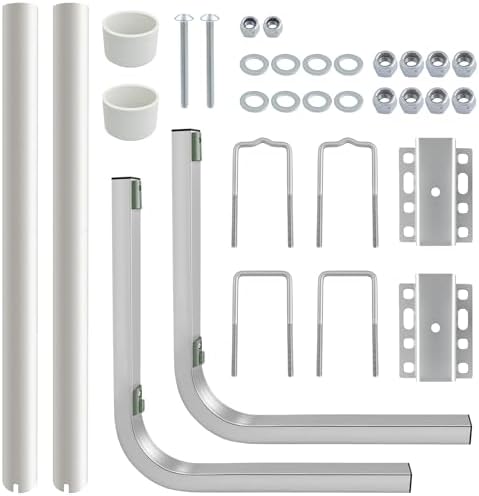
Post-style guide-ons stand above the waterline at both sides of the trailer, so you can see where the trailer is from the helm and the hull has something to align against as it comes on. On a keel-less hull like a jon boat they are close to essential, and on any trailer they make crooked loads rare.
A Winch You Can Crank From the Tongue
The winch is what pulls the bow eye up to the stop once the hull is on the bunks. A winch with a gear ratio suited to your boat’s weight, and a strap in good condition, means the last few feet take a few turns rather than a struggle at an awkward angle over the tongue.

After the Boat Is On
Pull clear of the ramp before you do anything else. The staging area is where you fit the transom straps and bow safety chain, tilt the motor, pull the drain plug, stow gear and check the lights. Doing that at the top of the ramp keeps the lane free and gives you room to work.
Then run the checklist that catches the expensive mistakes: plug out and stowed where you will find it, motor supported for the road, straps tight, winch latched, safety chain attached, lights working, and nothing left on the dock. It takes a minute and it is the minute that saves the drive home.
The Plug Rule
Plug in before the boat touches the water, plug out after it comes off. Making it the same two moments every trip is what stops the story that every boater eventually tells about a hull filling up in the parking lot or a boat that took on water at the dock.
Common Mistakes When Loading Alone
Backing in too deep is the mistake that causes most crooked loads, because a floating hull has nothing to guide it. Leaving the boat untied while you walk to the truck is the one that causes the most expensive ones, especially in wind.
Two more: forgetting to release the transom straps before launching, which sounds obvious until it happens, and running the tow vehicle’s rear wheels into the water in an attempt to avoid a slightly longer walk. Wet brakes and a slick ramp surface are a bad combination on the way back up.
Frequently Asked Questions
How deep should the trailer go in the water? For most bunk trailers, deep enough that the tops of the rear bunks are just below the surface so the hull contacts them early. Too deep lets the boat float above the bunks and land crooked. Find the depth that works for your rig and mark a reference point.
Do I need guide-ons to load alone? Not strictly, but they make it far easier and more repeatable. They show you where the submerged trailer is from the helm and align the hull as it comes on, which is the job a second person would otherwise do.
Is it bad to power load a boat onto a trailer? Heavy throttle to drive a hull fully up the bunks scours the bottom at the end of the ramp and can damage it over time. Some ramps post rules against it. Use the motor to get the boat onto the bunks and the winch for the rest.
Should I tie the boat up before getting the trailer? Yes. A bow line on a dock cleat, or a line you keep in hand, means the boat cannot drift while you are away from it. This is the step that prevents the worst outcomes on a windy day.
What if the boat lands crooked on the bunks? Ease it back off rather than winching it straight. Cranking a misaligned hull sideways onto the bunks scuffs the hull and loads the winch stand in a direction it was not built for.
The Bottom Line
Solo loading comes down to preparation, depth and control of the bow. Rig in the staging area, back to a depth mark you have already found, keep a line on the boat so it never floats free, drive on slowly between the guide-ons and let the winch finish the job. The trailer setup does most of the work once it is right. For the reversing part our backing guide covers the technique, and our guide-on guide covers which style suits your trailer.