Last updated: August 20, 2026
A bench seat is the most useful square footage on a small boat and usually the most neglected. It carries three people on the run out, doubles as the place everybody puts their bag, and hides whatever storage the builder managed to fit underneath. When the vinyl finally cracks and the foam goes to sponge, replacing it changes the boat more than any other single upgrade.
This guide covers what is actually available in bench seating for trailerable boats, aluminum fishing boats and pontoons: fold-down versus fixed, how the mounting works, what to measure before ordering, and why the storage question is worth answering before you buy rather than after.
This article contains affiliate links. If you buy through them, we may earn a commission at no extra cost to you. Learn more.
Quick Answer
Which boat bench seat should you buy?
- Fold-down bench: best when you need the deck space back for fishing or loading, and the most common replacement on bass and aluminum boats.
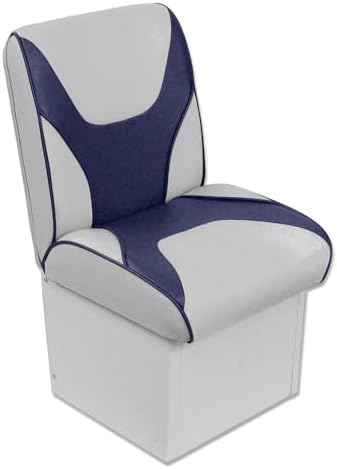
- Fixed bench with a hinged lid: best when under-seat storage matters more than open deck.
- Cushion-only replacement: best when the frame and base are sound and only the vinyl and foam have failed.
- Measure the mounting footprint and the available width before ordering, since bench seating is sold by dimension, not by boat model.
Bottom line: decide whether you want deck space or storage first, then shop by measured dimensions.
What a Bench Seat Has to Survive
Boat seating lives outdoors, sits in full sun, gets wet, and then gets covered and left for months. Marine grade vinyl and closed cell or high compression foam exist because ordinary upholstery fails in that environment within a season, going brittle at the seams and holding water in the padding.
That is also why replacement seating is worth doing properly rather than cheaply. Manufacturers in this space quote their vinyl by weight, with heavier marine vinyl on the better lines, and the seat frames are plastic or treated wood specifically so they do not rot when water finds its way under the cover.
Fold-Down or Fixed
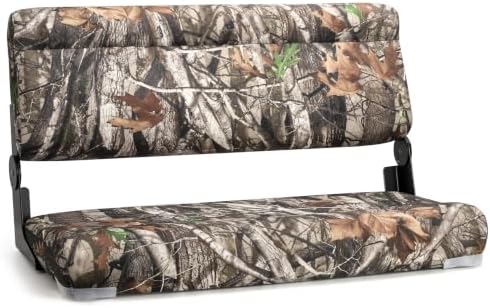
Fold-down benches are the popular choice on aluminum and bass boats because the deck they occupy is also the deck you want for casting, loading gear, or standing up to net a fish. They fold flat, often strap shut for towing, and go back up in seconds. The tradeoff is that they give you nothing underneath.
Fixed benches with a hinged lid turn the same footprint into a dry locker, which on a small boat is worth a great deal. Life jackets, dock lines, a first aid kit and a tool roll all have to live somewhere, and a bench locker keeps them out of the sun and off the deck.

Measure Before You Order
Bench seating is sold by dimension rather than by boat model, so the measurements are on you. Take the available width between whatever the seat has to fit between, the depth from the transom or bulkhead forward, and the height that still leaves comfortable legroom and a clear sightline over the gunwale from a seated position.
The Mounting Footprint
Check what the seat bolts to. Some benches mount to a flat deck, some to a bracket on an existing base, and some hinge off the back so the whole seat lifts for access. Photograph the existing hardware before you remove anything, because matching hole patterns afterward is much harder than it sounds.
Width and Seating Positions
Bench widths are quoted in inches and step up in sizes intended for two or three seating positions. Buying a wider bench than the space comfortably allows is the usual regret, since a bench that overhangs its base flexes at the ends and puts load where the frame was not designed to take it.
Bench Seat Options Compared
| Option | Gives you | Best on | Tradeoff |
|---|---|---|---|
| Fold-down bench | Open deck when folded | Bass and aluminum fishing boats | No storage underneath |
| Fixed bench, hinged lid | Dry locker under the seat | Utility boats, jon boats, pontoons | Permanent footprint |
| Cushion set only | New vinyl and foam on a sound base | Boats with an intact frame | Must match existing hinge pattern |
| Back-to-back convertible | Seat that opens into a lounge | Bowriders and runabouts | Needs floor space to recline |
Jon Boats and Aluminum Boats Are a Different Case
Aluminum boats usually have a factory bench that is a welded or riveted crossmember, not a removable seat, so replacing it is really a matter of adding a cushion or a seat on top rather than swapping the bench itself. Clamp-on cushions and bolt-through pads both do this without cutting anything.
What you are solving on a jon boat is comfort and height. A bare aluminum bench is cold, hard and low, and a cushion that adds a few inches of height also improves the angle you sit at for running the tiller. Our boat seats guide covers the swivel and pedestal alternatives if you want to go further.
Hardware, Fasteners and the Wet Part
Use stainless fasteners and back the bolts with washers or a backing plate, because a bench seat sees shock loading every time the boat lands off a wake and the load goes straight into whatever the bolts pass through. This is not a place for the hardware that came in the bag on a value seat.
Seal the fastener holes. On a wood or composite deck, water that gets into a bolt hole is the start of a soft spot that shows up years later as a bigger job than the seat ever was. A dab of marine sealant on each fastener takes minutes and is the difference between a repair and a project.
Keeping the New Vinyl Alive
Sun is what kills boat seating, so the cheapest maintenance is a cover between trips. After that, clean with a product made for marine vinyl rather than a household cleaner, since degreasers and bleach based sprays strip the plasticizers and leave the surface chalky and prone to cracking.
Mildew is the other enemy, and it grows in the seams and under cushions that never fully dry. Tip cushions up or prop the bench open when the boat is stored, and let the covered boat breathe rather than sealing damp upholstery under a tarp all winter.

Frequently Asked Questions
What size bench seat do I need? Measure the available width, the depth from the transom or bulkhead, and the height that leaves legroom and a clear view forward. Bench seats are sold by dimension rather than by boat model, so those three numbers decide what fits.
Can I replace just the cushions? Yes, if the frame and base are sound. Replacement cushion sets are made to unscrew from an existing seat and remount into the same hinges, which is far cheaper than a whole new bench.
Are fold-down bench seats sturdy enough? Good ones are, and they are the standard fitment on bass and aluminum boats. The strength comes from the frame and the mounting, so use stainless hardware with proper backing rather than the minimum fasteners.
What vinyl should I look for? Marine grade vinyl, quoted by weight, over closed cell or high compression foam. Manufacturers list both, and heavier vinyl on a better foam is what separates a seat that lasts from one that splits at the seams.
Will a bench seat fit my jon boat? Usually as a cushion or seat added on top of the existing aluminum crossmember rather than as a replacement bench, since those benches are structural. Clamp-on and bolt-through cushions both work.
How do I stop mildew on boat seats? Let them dry before covering, prop cushions up in storage, and clean with a marine vinyl product rather than household bleach sprays, which dry the material out and make cracking worse.
The Bottom Line
Answer the storage question first, because that is what separates a fold-down bench from a fixed one, and the rest is measurement and hardware. Buy marine vinyl over decent foam, mount it with stainless fasteners and backing, seal the holes, and keep a cover on it. If you want a lounge instead, our back-to-back seat guide covers that route, and the cooler seat guide covers the version that keeps drinks cold underneath.