Last updated: August 20, 2026
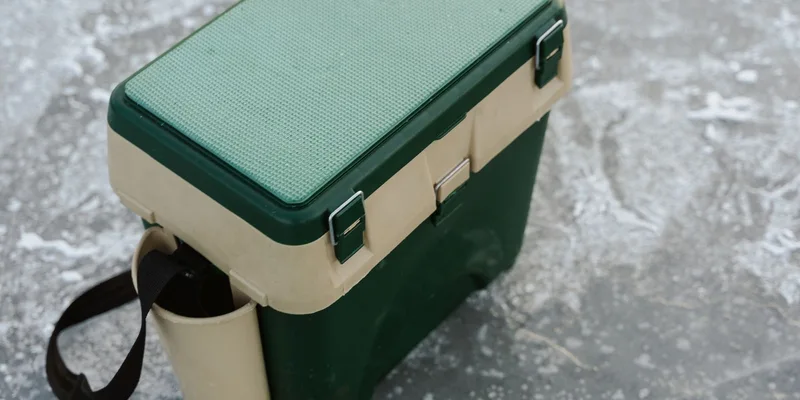
Deck space on a small boat is a zero sum game. The cooler has to come, everybody wants somewhere to sit, and there is exactly one patch of floor that works for either. That is the entire reason the cooler seat exists, and it is why so many owners end up with one after a season of stepping over a hard sided cooler that nobody could sit on comfortably.
This guide covers the two ways to do it, a purpose built seat with a cooler inside or a cushion that turns the cooler you already own into a seat, plus the part everybody discovers the hard way: a cooler that is not tied down becomes a projectile the first time you take a wake badly.
This article contains affiliate links. If you buy through them, we may earn a commission at no extra cost to you. Learn more.
Quick Answer
Which cooler seat setup works best on a boat?
- Cushion only: cheapest route if you already own a hard cooler, and it comes off for cleaning.
- Swingback cooler seat: a proper seat with a backrest that flips, built around a cooler underneath.
- Cooler with a cushion sold as a set: sized to match, no guessing at cover dimensions.
- Whichever you choose, add tie-downs. An unsecured cooler slides across the deck and takes people with it.
Bottom line: match the cushion to the cooler’s exact lid dimensions, then secure the cooler to the deck.
Two Ways to Get a Cooler Seat
The first route is a cushion that snaps or straps onto a hard sided cooler you already own. It is the cheap version, it comes off for cleaning, and it turns dead deck space into a seat without adding another object to the boat. The catch is that it has to match your cooler’s lid dimensions closely to sit properly.
The second route is a purpose built seat that includes or accepts a cooler underneath. Wise builds cushions and swingback cooler seats in this category and Attwood offers marine seating and cushions as well, with cushion sets sized to specific cooler capacities so the fit is not left to chance.

Getting the Fit Right
Cushions in this category are sold against a cooler capacity in quarts, which is a proxy for lid dimensions rather than a measurement. Measure your cooler’s lid, length and width at the widest point, before you order, because two coolers of the same nominal capacity from different brands are rarely the same shape.
Snap, Strap or Bolt
Snap-on cushions use stainless button snaps set into the cooler lid, which gives the tidiest result and means drilling small holes. Strap-on cushions wrap the lid and need nothing permanent. Bolt-through mounting is for purpose built seats, where the seat and the cooler are designed to go together.
Height and Comfort
A cooler seat is low, which is fine for a passenger and less fine as a helm seat. Thicker foam raises the seating height and improves the angle, and manufacturers list foam thickness for this reason. If the seat is going to be used all day, that number is worth reading.

Cooler Seat Options Compared
| Option | Fits | Comfort | Best for |
|---|---|---|---|
| Snap-on cushion | Your existing hard cooler | Basic, depends on foam | Cheapest upgrade, tidy result |
| Strap-on cushion | A range of lid sizes | Basic, can shift | Rental or shared boats, no drilling |
| Swingback cooler seat | Matched cooler underneath | Backrest, all day seating | Fishing boats and center consoles |
| Cushion and cooler set | Sized together by the maker | Good, no fit guesswork | Buying both at once |
Tie It Down, Because Physics
A full cooler is heavy, and on a boat it is heavy and mobile. Hitting a wake or turning hard sends an unsecured cooler across the deck, and if somebody is sitting on it at the time, they go too. Tie-downs are not an accessory here, they are the part that makes the seat a seat.
The options are simple: a cooler tie-down kit with deck mounted rings and straps, a bracket set made for the cooler footprint, or a strap run to existing deck hardware. Whatever you use, load it against the direction the cooler wants to slide, meaning forward and sideways, not just down.

Where It Goes on the Boat
Placement decides whether the cooler seat is useful or in the way. In front of the console on a center console, it becomes a forward seat and a step. On a pontoon, it fills the gap between furniture and gives you a seat where the layout did not provide one. Behind the helm it becomes a passenger perch.
Think about access as well as seating. If somebody has to get up every time anybody wants a drink, the cooler is in the wrong place, and a swingback seat that flips clear of the lid is the answer. Our pontoon accessories guide covers how this fits alongside the rest of a pontoon layout.
Keeping It Clean and Dry
Cooler cushions get the worst of everything: sunscreen, spilled drinks, wet swimsuits and sun. Marine vinyl handles it if you clean it with a product made for marine vinyl rather than a household spray, since bleach and degreasers strip the material and leave it chalky.
Take the cushion off in storage. A cushion left snapped down on a closed cooler traps moisture between the two and grows mildew in the seams, which is a much harder problem to fix than it is to avoid.
Drainage and the Deck Underneath
A cooler that drains onto the deck leaves a slick patch exactly where somebody steps down off the seat, and melted ice water sitting under a cooler will mark a non skid deck over a season. Position the drain plug where you can reach it from a standing position and open it over the side rather than into the bilge.
If the cooler lives in one spot permanently, lift it off occasionally and let the deck under it dry out. Trapped moisture between a flat cooler base and a deck is a common source of staining on both pontoon decking and gelcoat, and it is invisible until the day you move the cooler.
Frequently Asked Questions
Will a cooler seat cushion fit my cooler? Only if the lid dimensions match. Cushions are sold against a cooler capacity in quarts, but capacity is not a shape, so measure your cooler lid at its widest points and compare with the cushion’s listed dimensions.
Do I need to drill my cooler for a snap-on cushion? Snap-on cushions use stainless button snaps set into the lid, which does mean small holes. Strap-on cushions avoid drilling entirely at the cost of a slightly less tidy fit.
Is a cooler seat comfortable enough for a full day? A bare cushion is a passenger seat rather than an all day seat. A swingback cooler seat with a backrest is the version that works for longer trips, which is why fishing boats tend to use those.
How do I keep the cooler from sliding? Use a tie-down kit or brackets rated for the cooler and fasten to deck hardware. A loaded cooler that slides during a turn is a genuine hazard, especially with somebody sitting on it.
Can I put a cooler seat on a pontoon? Yes, and it is a common way to add seating where the factory layout left a gap. Secure it to the deck the same way, since a pontoon deck is flat and offers nothing to stop a cooler moving.
What cushion thickness should I look for? Thicker foam raises the seat height and improves the sitting angle, and manufacturers list the foam thickness in the specifications. If the seat will be used all day, take the thicker option.
The Bottom Line
A cooler seat is one of the highest value additions to a small boat because it solves two problems with one footprint. Measure the cooler lid before ordering a cushion, choose a swingback seat if anybody will sit there all day, and secure the cooler to the deck rather than trusting friction. For the rest of the seating layout, see our boat seats guide and the bench seat guide.