Last updated: August 20, 2026
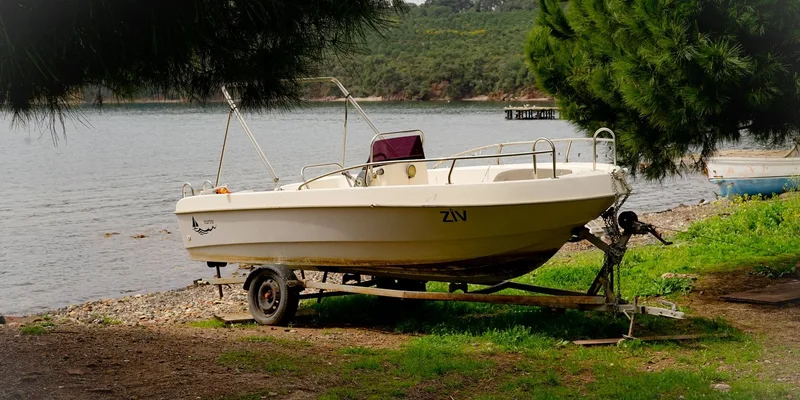
Getting into a boat sitting on a trailer is one of those jobs that looks trivial until somebody in the family cannot do it. The gunwale is chest high, the fender is round and slippery, and the tire is the only foothold anywhere near it. Plenty of people climb the trailer tire out of habit, and plenty of people have slipped off one on a wet driveway.
A trailer step is the small, unglamorous fix. This guide covers the four kinds that exist, where each one mounts, and how to choose based on where you actually board the boat, because a step bolted to the wrong part of the trailer is just another thing to bark a shin on when you are rinsing the hull.
This article contains affiliate links. If you buy through them, we may earn a commission at no extra cost to you. Learn more.
Quick Answer
What is the safest way to climb into a boat on its trailer?
- A bolt-on trailer step clamped to the frame or tongue gives you a flat, non slip platform instead of a round tire.
- Folding steps mount permanently and swing out of the way, which suits a trailer that also gets used for other things.
- Long aluminum fender steps spread the mounting load and give you a wider place to put a foot.
- If the trailer is high or the boat is deep, a portable step stool plus a boarding ladder on the boat is often the better combination.
Bottom line: pick the step that mounts where you actually board, and check the manufacturer’s stated weight capacity before you trust it.
Why the Trailer Tire Is a Bad Step
A trailer tire is round, often wet, and frequently coated in the fine grit that comes off a launch ramp. It is also the one part of the rig that moves if the trailer is not chocked. None of that makes it a good place to put a foot when you are also carrying a cooler or a tackle bag with the other hand.
The other habit worth breaking is stepping on the fender itself. Trailer fenders are sheet metal or plastic sized to shed spray, not to carry a person, and a fender that has been stood on repeatedly tends to crease at the mounting bolts and stay creased.
The Four Types of Trailer Step
Trailer steps come in four broad forms: small folding steps that mount with two screws, bolt-on platform steps that clamp around the tongue or frame, long aluminum fender steps that run alongside the wheel, and portable step stools that are not attached to the trailer at all. Each answers a different mounting situation.
The right one is decided by geometry rather than preference. Walk out to the trailer, stand where you actually climb in, and see what solid structure is within reach of your foot at roughly knee height. That structure decides the type, and only then does the model matter.
Folding Steps
A folding trailer step mounts to a flat, sturdy surface with two screws and folds flat when you are not using it. Extreme Max lists a folding trailer step of this style for boat trailers, utility trailers, RVs and campers, which is a fair description of where it fits: anywhere you have a solid vertical face to screw into and no room for a permanent protrusion.
Bolt-On Platform Steps
These clamp around a rectangular tongue or frame member and give you a rubber topped platform to stand on. Extreme Max lists a powder coated steel trailer step with a no slip rubber pad, sized to fit rectangular trailer tongues or frames from 2 to 3.5 inches wide and up to 5 inches tall, with a 300 pound weight capacity stated in the listing. Those three numbers, frame width, frame height and capacity, are the ones to check against your trailer.
Trailer Step Picks by Situation
Boarding Over the Bow or at the Tongue
If you climb in over the bow, the step wants to be on the tongue or the winch stand, where a clamp-on platform has something square to grab. Measure the tongue width and height before you order, since the mounting range is what decides fitment.

Boarding Amidships Beside the Fender
Boarding over the gunwale next to the fender is the most common pattern on bowriders and aluminum fishing boats. A long aluminum trailer step that runs alongside the wheel gives you a wide platform and spreads the load across more of the frame than a single small step does.

A Trailer That Also Hauls Other Things
When the trailer does double duty, a folding step that lies flat against the frame stays out of the way of straps, ramps and cargo, and still deploys when you need to climb up.

When Nothing Bolts On Well
Some trailers simply have no solid, correctly placed structure at the right height, and some boats sit too high for a single step to bridge the gap. A stable portable step stool with a wide base and a non slip top, set on level ground beside the trailer, is a legitimate answer rather than a compromise.

Comparing the Options
| Step type | Where it mounts | Stays on the trailer | Best for |
|---|---|---|---|
| Folding step | Any solid flat face, two screws | Yes, folds flat | Trailers that carry other cargo too |
| Bolt-on platform | Clamps to rectangular tongue or frame | Yes, fixed | Boarding over the bow or at the tongue |
| Long aluminum step | Alongside the wheel on the frame | Yes, fixed | Boarding amidships over the gunwale |
| Portable stool | On the ground beside the trailer | No, goes in the truck | High trailers, mixed height users |
What to Check Before You Buy
Three specifications decide fitment, and all three are published by the manufacturer in the listing. The frame or tongue width the clamp accepts, the frame height it accepts, and the stated weight capacity. Measure your trailer with a tape at the exact mounting point, then compare against those figures rather than eyeballing it in the aisle.
Beyond fitment, look at the top surface and the finish. A rubber pad or a punched non slip tread is what keeps a wet boat shoe from sliding, and a galvanized or powder coated finish is what keeps the step from becoming a rust streak down your trailer frame after a season of saltwater launches.
Where Not to Mount It
Keep the step clear of the fender skin, the wiring harness, the brake line if the trailer has surge brakes, and anything that moves. Do not mount into the fender itself, and do not put a step where it sits in the path of the tie down straps or the winch strap.
Common Mistakes When Adding a Trailer Step
The biggest one is treating the step as a substitute for chocking the trailer. A step makes climbing safer, it does not make an unchocked trailer safe. Chock the wheels before anyone climbs on, especially on a sloped driveway, and especially if the boat is not hitched to the tow vehicle at the time.
The second is mounting the step at a height that seems fine when the trailer is empty and turns out to be wrong when the boat is loaded and the suspension settles. Test the height with the boat on the trailer, standing where you would actually board, before you drill anything.
Frequently Asked Questions
Can I just step on the trailer fender? Not repeatedly. Fenders are sized to shed spray rather than to carry weight, and they tend to crease at the mounting bolts and stay creased. A dedicated step spreads the load into the frame where it belongs.
How much weight can a trailer step hold? It depends on the model, and the manufacturer states it in the listing. Extreme Max, for example, lists a 300 pound capacity for its powder coated steel bolt-on step. Check the figure for the specific step you are buying instead of assuming they are all the same.
Will a trailer step fit my frame? Only if your frame falls inside the width and height range the clamp is designed for. Measure the rail with a tape at the exact spot you intend to mount, since trailer frames are often not the round number they look like.
Is a boat ladder a better answer than a trailer step? They solve different problems. A trailer step gets you from the ground to the gunwale on land, while a boarding ladder gets you from the water back into the boat. Many owners end up with both, and our boat ladder guide covers the second half.
Do I need to chock the trailer before climbing on? Yes, especially when the trailer is unhitched or parked on any slope. A step improves your footing, it does nothing about a trailer that can roll.
The Bottom Line
Choose the trailer step that mounts where you actually board, check the published frame range and weight capacity against your own tape measurements, and pick a non slip top surface with a finish that survives saltwater. Chock the wheels first, every time. If getting back aboard from the water is the other half of your problem, our best boat ladder guide covers reach, rung count and mounting.