Last updated: August 20, 2026
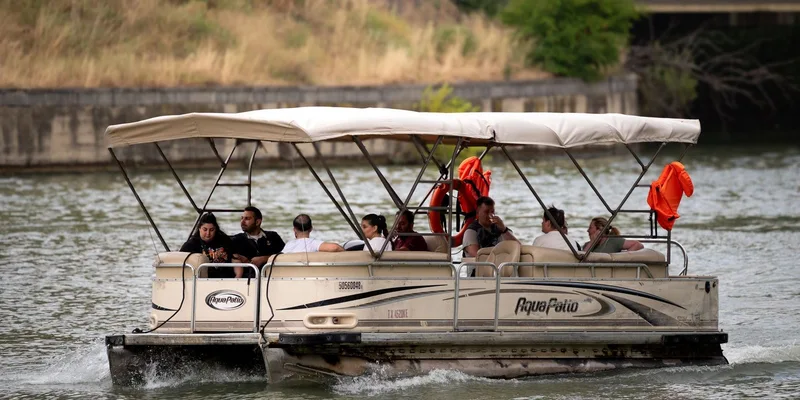
Pontoon furniture is the most expensive soft surface on the boat and the one most exposed to sun. Unlike a bowrider, where the seats sit down inside the hull and behind a windshield, pontoon seating is out in the open across the whole deck, taking UV from above and reflected glare off the water from below.
That is why pontoon seat covers exist as a category of their own. The difficulty is fitment: pontoon furniture comes in groups and modules rather than in individual chairs, and the sizes vary between builders. This guide covers what actually fits, what protects, and when a cover is the wrong answer.
This article contains affiliate links. If you buy through them, we may earn a commission at no extra cost to you. Learn more.
Quick Answer
Do pontoon boat seat covers actually fit, and are they worth it?
- Individual seat covers only fit if you measure each cushion, because pontoon furniture is built in modules rather than standard chair sizes.
- A full mooring cover over the whole deck protects more furniture for less money than a set of individual covers.
- Covers protect against sun and dirt, not against moisture trapped underneath, which is what causes mildew.
- Vinyl protectant applied regularly does as much for cracking as any cover does.
Bottom line: cover the whole deck first, use fitted seat covers for specific problem seats, and keep the vinyl treated either way.
What Actually Damages Pontoon Vinyl
Marine vinyl fails in three ways. UV breaks down the plasticizers that keep it flexible, so the surface goes hard and then cracks. Heat accelerates that, especially on dark colors. Mildew grows in the seams and under cushions wherever moisture sits with no airflow, staining the material even when the vinyl itself is sound.
A cover addresses the first two directly and the third only if it lets moisture out. This is why a sealed cover over a damp seat can leave you with mildew on furniture that was protected from the sun the whole time.
The Seams Fail Before the Panels
On most pontoon furniture the stitching and the seams give up before the vinyl faces do, because thread degrades in UV and because water sits in the seam channel. Keeping seams dry and treated matters as much as protecting the flat surfaces that get all the attention.
That is also why a cover that pools water in the seat wells is worse than no cover at all. Anything you put over the furniture needs to shed water off the boat rather than into the cushions.
Protection Options Compared
There are four practical ways to protect pontoon seating, and they solve different parts of the problem. A deck wide mooring cover blocks sun and rain from everything. Fitted seat covers protect individual cushions. Vinyl protectant works on the material itself. Storage indoors solves it all and is available to almost nobody.
| Option | Protects | Fit requirement | Main limitation |
|---|---|---|---|
| Deck wide mooring cover | All furniture, deck and carpet | Deck length and beam | Needs a support pole to shed water |
| Fitted seat covers | Individual cushions and backs | Measured per cushion | Sizes rarely match factory modules |
| Vinyl protectant | The material itself, against UV | None, wipe or spray on | Needs reapplying through the season |
| Bench and chaise covers | One large seating group | Group length and depth | Leaves the rest of the deck exposed |
Pontoon Seat Protection by Situation
The Boat Sits Outside All Season
A deck wide mooring cover is the most protection per dollar for a pontoon that lives at a dock, on a lift or in a driveway, because it covers every cushion, the helm seat and the carpet in one go. Size it on your deck measurements, and use a support pole so it sheds rather than pools.

A Few Seats Take All the Sun
On many layouts one or two seating groups get punished while the rest stay shaded under the bimini. Fitted covers for those specific cushions are worth it, and they are far easier to size correctly than a whole set, because you only need to measure the seats that are actually suffering.

The Vinyl Is Still Good and You Want It to Stay That Way
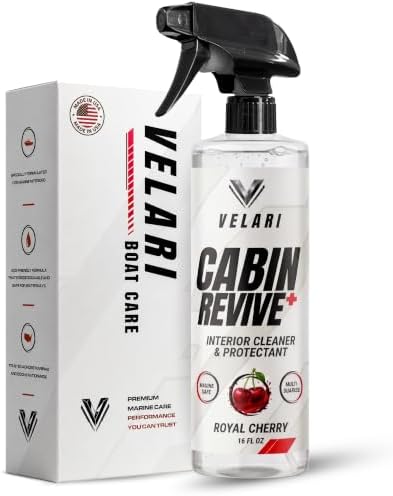
A marine vinyl protectant with UV inhibitors is the cheapest maintenance on the boat and the one owners skip most. Applied at the start of the season and topped up through it, it keeps the material flexible and makes sunscreen and drink stains far easier to wipe off.

The Seats Already Look Dirty Rather Than Damaged
Grey scuffing and dark seam lines are usually surface soil and early mildew rather than failed vinyl, and a dedicated marine vinyl cleaner lifts a surprising amount of it. Clean first and judge afterwards, because plenty of furniture that looked replacement worthy turns out to be fine.
Measuring Pontoon Furniture
Pontoon seating is sold and built in groups, so there is no standard chair size to order against. Measure each cushion you want to cover: seat width, seat depth, and back height, plus the overall length of any bench or chaise as a single unit. Note whether arms, cupholders or a bolster interrupt the shape.
Then compare those numbers to the size ranges in the listing rather than to a chair category name. If the listing does not publish dimensions, treat that as a reason to look elsewhere, since a cover that is close but not right will slip, flap and chafe the vinyl it was meant to protect.
When Covers Are the Wrong Answer
If the vinyl is already cracked or the seams have opened, a cover slows further damage without fixing anything. At that point the decision is between recovering the cushions and replacing the furniture group, and our pontoon replacement furniture guide covers how those groups are sized.
The other case is a boat stored under shrink wrap or in a building, where individual seat covers add work for no benefit. Protect the material with a treatment, let it breathe, and skip the extra layers.
Mildew, Airflow and Storage
Mildew needs moisture, warmth and still air, and a covered pontoon deck supplies all three. The countermeasure is airflow: vented covers, cushions tipped up or removed where the furniture allows, and a moisture absorber under the cover for long storage periods make far more difference than the fabric grade.
Before covering for any length of time, let everything dry. Covering wet furniture after a rainy retrieval is how owners find black speckling on the seams in spring, and mildew stains on marine vinyl are much harder to remove than to prevent.
Frequently Asked Questions
Do universal seat covers fit pontoon furniture? Rarely without measuring. Pontoon seating is built in modules that vary by builder and model year, so match the listing’s stated dimensions to your own cushion measurements rather than trusting a size label.
Is a full boat cover better than individual seat covers? For most owners yes, because one deck wide mooring cover protects all the furniture, the helm and the carpet at once. Individual covers make sense for specific seats that get more sun than the rest.
Will a cover stop mildew on boat seats? Not on its own. Mildew comes from trapped moisture with no airflow, so a sealed cover over damp cushions can make it worse. Dry the furniture before covering and use vented covers or a moisture absorber for long storage.
How often should I apply vinyl protectant? At the start of the season and periodically through it, following the product’s own instructions. Boats that live in strong sun need it more often than the label’s minimum, and it is easiest to do right after a wash.
Can I use car seat covers on a pontoon? The shapes do not match pontoon modules, and automotive fabrics are not made for constant damp and UV. Marine specific covers use fabrics chosen for that exposure, which is the part that matters over a season outdoors.
My seats are cracked already, will covers help? They slow further damage but do not repair anything. Once vinyl cracks or seams open, the real choice is between recovering the cushions and replacing the seating group, and covers are worth adding afterwards to protect the new material.
The Bottom Line
Protecting pontoon seating is mostly about sun and airflow. A properly sized deck wide cover with a support pole handles most of it, fitted covers make sense for the specific seats that catch the worst exposure, and regular vinyl protectant keeps the material flexible in between. Dry everything before you cover it and the mildew problem largely disappears. If the vinyl is already past saving, see our pontoon replacement furniture guide, and for deck wide sizing start with the pontoon cover guide.