Last updated: August 20, 2026
A pontoon cover is bought twice by a lot of owners. The first one is ordered from the number in the boat’s model name, arrives short of the transom, and gets returned or lives out its life half fastened. The second one is ordered after measuring the deck, and fits.
Pontoon covers also come in two very different jobs that look identical in a listing photo. One is made to sit over the boat at a dock or on a lift, the other is made to survive highway airflow behind a truck, and using the wrong one at the wrong time is the fastest way to destroy a cover. This guide sorts out sizing, cover type, and the hardware that keeps water off the furniture.
This article contains affiliate links. If you buy through them, we may earn a commission at no extra cost to you. Learn more.
Quick Answer
How do you pick a pontoon boat cover that actually fits?
- Measure the deck, from the front of the deck to the transom, and the beam across the outside of the rails. Do not use the model number.
- Choose mooring or travel. Mooring covers are for a parked boat, travel covers are built for towing.
- Plan for water shedding with a support pole, because a flat cover holds a pond after every storm.
- Universal fit is a compromise: a custom cover fits better and lasts longer, at a multiple of the cost.
Bottom line: measure the deck first, pick the cover type by how the boat is stored, then budget for a support pole and proper tie downs.
Why Pontoon Covers Are Sized Differently
A pontoon cover is cut for a rectangle, not a hull. It has to reach across the beam measured at the outside of the rails and run the full length of the deck, then drop far enough down the sides to be tied off. That is a different geometry from a V hull cover, which is why a boat cover from a bowrider does not adapt.
Manufacturers state pontoon cover sizes as a deck length range plus a maximum beam. Your job is to land inside both, and to have the fit come from the correct size class rather than from pulling a small cover as tight as it will go.
The Model Number Trap
Boat builders publish an overall length that can include the swim platform, the rail extension and sometimes an allowance for the motor. Sun Tracker, for example, lists its Bass Buggy 18 DLX with an overall length of twenty feet against a shorter deck, so a cover ordered on either number alone can miss.
Measure the deck yourself with a tape, from the forward edge of the deck to the transom edge, and separately across the outside of the rails at the widest point. Two numbers, two minutes, and the size class becomes obvious.
Mooring, Travel and Storage Covers Compared
Cover types differ by how much force they are built to take. A mooring cover deals with rain, sun and dirt on a stationary boat. A travel cover has to survive sustained airflow, so it fits tighter, carries more tie down points and uses heavier fabric. Storage covers sit between the two and prioritize breathability over the winter.
| Cover type | Designed for | Fit priority | Watch out for |
|---|---|---|---|
| Mooring cover | Dock, lift or driveway storage | Full deck coverage and easy on and off | Not rated for towing at highway speed |
| Travel cover | Trailering behind a vehicle | Tight fit, many straps, reinforced corners | Slower to fit, needs every strap used |
| Winter storage cover | Months outdoors off season | Water shedding and ventilation | Trapped moisture causes mildew under it |
| Bimini and playpen combo | Boats with the bimini left up | Clearance around the bimini frame | Fewer sizes available off the shelf |
Pontoon Covers by Situation
The Boat Sits at a Dock or on a Lift
A mooring cover with an elasticized hem and a drawstring is the everyday choice, because it goes on and comes off quickly enough that you will actually use it. Look for a size class that matches your deck length with the beam inside the stated maximum, and for reinforced areas where the cover crosses the rail corners.

The Boat Gets Towed With the Cover On
Towing needs a cover rated for it. Trailerable pontoon covers add straps under the deck, tighter tension at the bow, and heavier fabric at the wear points, because airflow at highway speed finds every loose edge and turns it into a flapping tear. Never tow under a plain mooring cover.

Water Pools on Top After Every Rain
A flat pontoon cover collects a serious volume of water, and that weight stretches fabric, pulls out fasteners and eventually finds the seams. A support pole system that lifts the center of the cover into a peak turns the pond into runoff and does more for cover life than upgrading the fabric.

Wind Gets Under the Cover
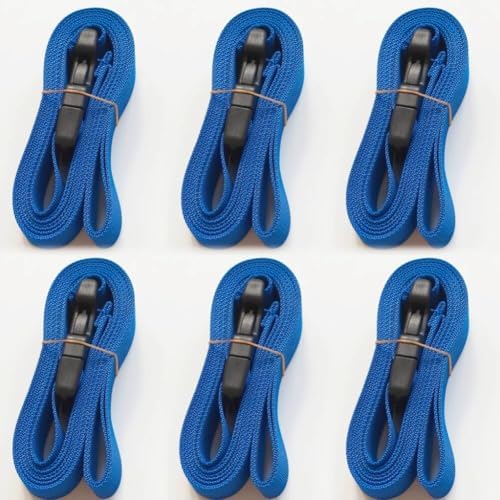
Even a well sized cover lifts in gusts if it is only held by the hem. A tie down kit with adjustable straps and buckles lets you run tension under the deck at intervals, which stops the cover from ballooning and keeps the corners from chafing on the rail ends.
Fabric, Venting and Mildew
The fabric choice is a trade between water resistance and breathability. A tightly coated fabric keeps rain out but traps humidity underneath, and a pontoon deck with damp carpet under a sealed cover grows mildew quickly. Covers with sewn in vents let that moisture escape while still shedding rain.
Owners in humid climates often add a moisture absorber under the cover for long storage periods, and leave the cover slightly raised at the transom so air can move. Dry furniture is the whole point of the exercise, and a cover that seals perfectly while trapping damp defeats it.
Universal Fit, Stated Plainly
A custom cover cut to your exact hull and rail layout fits better, sheds water more predictably and lasts longer than a universal one. It also costs a multiple of the price, and for many owners a correctly sized universal cover with a support pole and proper straps is the sensible answer.
What universal fit will not do is drape neatly around a rail gate, a raised console or an aftermarket ski tow. Expect a few compromises there, and expect to spend a few minutes on tension rather than pulling the cover on and walking away.
Fitting It So It Lasts
Most cover failures start at a single point of chafe. Rail ends, cleats, corner brackets and a bimini frame all rub the fabric in wind, and a small worn patch becomes a tear in one storm. Padding those points, with foam pipe insulation or purpose made pads, extends the cover’s life more than anything else you can do.
Fit the support pole before you tension the straps, so the peak is set and the fabric tightens toward it. Then work opposite corners rather than going around in one direction, which keeps the cover centered instead of walking it off to one side.
Frequently Asked Questions
How do I measure a pontoon for a cover? Measure the deck length from the forward edge of the deck to the transom edge, then the beam across the outside of the rails at the widest point. Match both numbers to the manufacturer’s stated size class rather than using your boat’s model number.
Can I trailer with a mooring cover on? No. Mooring covers are made for a stationary boat, and airflow at highway speed will lift the hem, flap the panels and tear the fabric. Towing needs a cover the manufacturer states is trailerable.
Do I need a support pole under a pontoon cover? On any cover left out in rain or snow, yes. A flat cover holds a heavy pool of water that stretches the fabric and pulls at every fastener, and a pole that creates a peak lets the water run off instead.
Will a pontoon cover fit over the bimini? Only if it is sold as a combination cover for a boat with the bimini up. Most mooring covers assume the bimini is folded down, so check the listing before assuming you can leave the top standing.
What causes mildew under a boat cover? Trapped moisture with no airflow. A fully sealed cover over damp carpet and vinyl is ideal mildew conditions, which is why vented covers and a moisture absorber underneath matter for long storage.
Is a custom pontoon cover worth it? It fits better and generally lasts longer, at a considerably higher cost. If your boat has an unusual layout, a rail gate or permanent accessories, custom is worth pricing. For a standard deck, a correctly sized universal cover does the job.
The Bottom Line
A pontoon cover works when three things line up: the right size class from an actual deck measurement, the right cover type for how the boat is stored or towed, and a support pole so rain runs off instead of pooling. Add padding at the chafe points and a vent or two for airflow, and a universal cover will carry a pontoon through many seasons of sitting outside. For the rest of the setup see our pontoon accessories guide, and for shade sizing look at the pontoon bimini guide.