Last updated: August 20, 2026
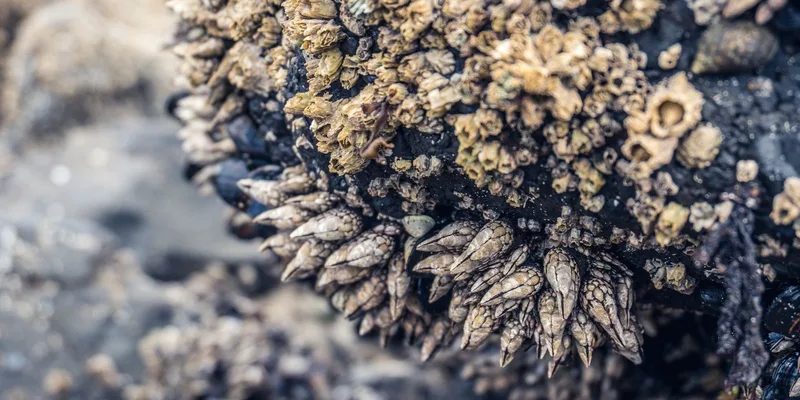
Barnacles are the reason a boat that felt quick in June feels sluggish and thirsty in August. They attach to the hull, the lower unit, the trim tabs and the transducer bracket, and every one of them adds drag. Left long enough on a boat kept in saltwater, they build into a crust that takes a full day and a sore back to remove.
The part owners get wrong is the removal method rather than the timing. A putty knife and enthusiasm will take barnacles off and take gelcoat or bottom paint with them, leaving a hull that fouls faster next time because the surface is now rough. This guide covers how to get them off without wrecking the finish underneath, and what changes so it does not happen as fast next season.
This article contains affiliate links. If you buy through them, we may earn a commission at no extra cost to you. Learn more.
Quick Answer
How do you remove barnacles from a boat?
- Pull the boat and start while the growth is still wet, because dry barnacle bases bond harder and chip the surface.
- Pressure wash first; a lot of soft growth and many young barnacles come straight off.
- Scrape what is left with a plastic or nylon scraper held at a low angle, not a steel blade held upright.
- Dissolve the chalky base rings with a hull cleaner rated for your surface, then rinse and inspect.
Bottom line: wet work plus a plastic scraper plus an acid-based hull cleaner beats brute force on every surface.
Start While the Hull Is Still Wet
The single biggest advantage you get is timing. A barnacle that has just come out of the water is soft at the base and releases with far less force than one that has baked in the sun for three days. If the boat is coming out on a trailer, plan the cleaning for the same afternoon rather than next weekend.
Where that is not possible, wet the hull down thoroughly and keep it wet while you work. Soaking rehydrates the soft tissue and makes the cement ring easier for a chemical cleaner to reach. Wrapping a section in wet towels for twenty minutes before scraping is a trick worth using on a badly fouled transom.
Pressure Wash Before You Scrape
A pressure washer removes slime, weed and a surprising share of the small barnacles before any tool touches the hull. That is entirely upside, because every barnacle the water removes is one you cannot accidentally gouge around. Work from the waterline down in overlapping passes.
Keep a wide fan tip on the wand and keep your distance, especially on bottom paint, which is softer than gelcoat and erodes under a tight jet. Zero degree tips will cut into paint and can damage gelcoat, so they have no place on a hull even though they clear growth fastest.
What a Pressure Washer Cannot Do
The mature barnacles with hard shells and the white cement rings they leave behind will still be there. Those are the two remaining jobs: mechanical removal of the shell, and chemical removal of the ring. Trying to solve both with more pressure is how hulls get damaged.
Scraping Without Damaging the Surface
Use a plastic or nylon scraper, hold it at a low angle almost flat to the hull, and push along the surface rather than digging under the barnacle at ninety degrees. The low angle lets the shell shear off at its base, which is where it is weakest, instead of levering it off and taking a chip of gelcoat with it.
Work in short strokes and stop the moment a barnacle resists. A stubborn one is telling you the base is still dry or the shell is embedded in soft paint, and both are cases for more soaking or a chemical soak rather than more force. Plastic scrapers also flex, which is a feature: the tool gives before the hull does.
Different Surfaces, Different Rules
Gelcoat tolerates careful plastic scraping. Bottom paint is softer and will be scraped off along with the growth, which is normal and usually means a touch-up or repaint anyway. Aluminum lower units and outdrives have a painted finish that protects the metal underneath, and gouging through it invites corrosion, so those areas deserve the gentlest approach of all.
Dissolving the Base Rings
After scraping you are left with white circular scars where each barnacle cemented itself. Those rings are calcium based, which is why acid-based hull cleaners sold for marine growth and waterline stains dissolve them when scraping cannot. Apply, let it dwell for the time on the label, agitate with a soft brush and rinse.
Check the product is rated for your surface before it touches the boat. Cleaners formulated for gelcoat are not all safe on painted aluminum outdrives or on bottom paint, and the label will say so. Follow the manufacturer’s dilution and personal protection instructions, since these are genuinely acidic products, and our hull cleaner guide covers the choices in more detail.
What to Have on Hand
The Chemical Step
A marine hull cleaner formulated for barnacle rings, waterline stains and calcium deposits is what turns a scraped hull into a clean one. Buy the size that matches the boat, because a badly fouled transom and lower unit will use more than you expect on the first application.

The Mechanical Step
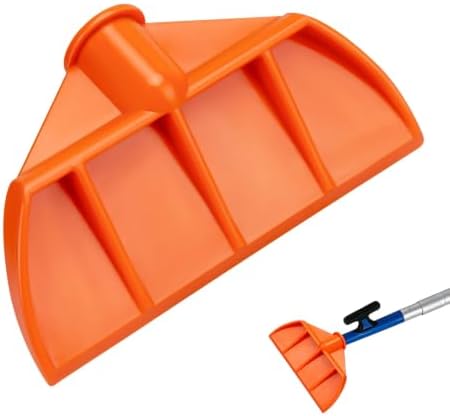
A set of plastic or nylon scrapers in a few widths handles the flat hull, the tight curve at the keel and the awkward spots around the transducer bracket. They are consumable, so having spare blades on hand keeps a dull edge from tempting you toward the steel one.
Protecting Yourself
Barnacle shells are sharp enough to open a knuckle, and the cleaners are acidic. Thick gloves, eye protection and long sleeves belong in the same kit as the scrapers, and none of it is optional on a job where you are working under a hull with product running downhill.

Method by Surface
Check the row for your surface before starting, particularly if the boat has a painted outdrive or fresh bottom paint. When two surfaces meet, work to the standard of the more delicate one.
| Surface | Scraper | Chemical | Watch out for |
|---|---|---|---|
| Gelcoat below waterline | Plastic, low angle | Hull cleaner rated for gelcoat | Chipping around stubborn bases |
| Bottom paint | Plastic, light pressure | Check paint compatibility | Paint comes off with the growth |
| Painted outdrive or lower unit | Nylon or soft plastic only | Product rated for aluminum | Exposing bare metal to corrosion |
| Trim tabs and hardware | Plastic, work around edges | Rinse fittings thoroughly | Anodes, which should not be cleaned bright |
Keeping Them Off Next Season
Trailerable boats have the easiest defense: barnacle larvae need time attached to settle, so a boat that comes out of the water after every trip and gets rinsed rarely develops a serious problem. The boats that suffer are the ones left in a saltwater slip through the season.
For those, an antifouling bottom paint is the standard answer, and the type has to suit both the water and how the boat is used, which our bottom paint guide covers. A regular in-water wipe down of the waterline and running gear through the season also keeps a light film from becoming a hard crust.
Do Not Clean the Anodes
The sacrificial anodes on the outdrive are supposed to look dull and eaten. Scraping and polishing them bright, or coating them with anything, stops them doing the job they exist for. Clean around them, replace them when the manufacturer’s guidance says to, and otherwise leave them alone.
Frequently Asked Questions
Will a pressure washer remove barnacles? It removes slime, weed and many small barnacles, but mature shells and the white cement rings stay behind. Use it as the first step with a wide fan tip and distance, then scrape and use a hull cleaner for what remains.
Can I use a metal scraper on barnacles? On gelcoat, bottom paint or a painted outdrive, a steel blade will very likely leave gouges that make the surface foul faster next time. Plastic and nylon scrapers held at a low angle do the job without that cost.
What dissolves barnacle rings on a hull? Acid-based marine hull cleaners sold for calcium deposits and waterline stains. Check the label states it is safe for your specific surface, follow the dilution given by the manufacturer, and wear gloves and eye protection.
How do I stop barnacles from growing on my boat? Trailer boats that come out of the water after each trip rarely have a problem, so a rinse after saltwater use goes a long way. Boats kept in a slip through the season generally need antifouling bottom paint plus periodic waterline cleaning.
Do barnacles damage the hull? The growth itself adds drag and cuts efficiency, and the cement rings mar the finish. The bigger damage usually comes from removal, when aggressive scraping opens up gelcoat or exposes bare metal on a lower unit.
Should I repaint after removing barnacles? If you scraped through bottom paint in patches, yes, because the bare spots will foul first next season. Check the paint manufacturer’s instructions on recoating over an existing system before buying anything.
The Bottom Line
Work wet, pressure wash first, scrape with plastic at a low angle, then let an acid-based hull cleaner take the rings off instead of your arms. Match every product and tool to the most delicate surface it will touch, and leave the anodes alone. Read also our hull cleaner guide for the chemical step, our bottom paint guide for keeping growth off, and our polish and compound guide for the topsides above the waterline.