Last updated: August 20, 2026
Chalky, faded topsides are the most common complaint on any boat that spends its summers uncovered on a trailer or a lift. Run a hand over the hull and it feels dusty, wipe it with a wet rag and the rag comes away white. That white is oxidized gelcoat, the outer layer of pigment and resin breaking down under UV, and no amount of soap will bring the shine back once it has started.
Fixing it means cutting the dead layer off with an abrasive and then refining what is left until it reflects light again. That is the entire job, and it is why boat polish and boat compound are two different products that get confused constantly. This guide covers which one your hull actually needs, how to tell the difference before you buy, and where the oxidation remover you saw advertised fits in.
This article contains affiliate links. If you buy through them, we may earn a commission at no extra cost to you. Learn more.
Quick Answer
Do you need boat polish or boat compound?
- Heavy chalk that transfers to a wet rag: start with a rubbing compound, the coarsest abrasive step.
- Dull but not chalky, or fine swirl marks after compounding: a polish is enough.
- Light haze and water spots only: skip both and go straight to wax or a sealant.
- Painted hulls and pontoon aluminum follow different rules than gelcoat, so match the product to the surface.
Bottom line: compound cuts, polish refines, wax protects, and doing them out of order is what wastes a weekend.
Compound, Polish and Wax Are Three Different Steps
Compound is the coarse abrasive that physically removes the dead, oxidized top layer of gelcoat. Polish is a finer abrasive that removes the haze the compound leaves behind and brings up gloss. Wax or a synthetic sealant adds no gloss of its own, it protects the surface you just corrected. Skipping steps is the usual reason results disappoint.
Most owners get into trouble by buying a wax first, applying it over chalk, and concluding that the wax was bad. Wax over oxidation gives you a slightly darker version of the same dull hull, because the chalk is still there under the new coating. The correction has to happen before anything protective goes on.
What an Oxidation Remover Actually Is
Products sold as oxidation remover sit somewhere between compound and polish, and the label rarely tells you where. Some are aggressive one-step correctors meant for badly chalked gelcoat, others are mild cleaner waxes that will barely touch real oxidation. Read the description for words like heavy cut, medium cut or one-step to place it on the scale before you commit an afternoon to it.
How to Tell How Bad Your Oxidation Is
Wet a small patch of hull with clean water and look at it while it is still wet. If the wet patch looks glossy and close to new, the gelcoat underneath is healthy and a polish will restore it. If the wet patch still looks flat and gray, the damage is deeper and you are into compound territory, possibly more than one pass.
The rag test is the other quick check. Wipe the dry topsides with a dark microfiber cloth and see how much white transfers. Almost nothing means light oxidation, a visible white smear means moderate, and a cloth you can no longer see the color of means heavy chalking that will take a real cutting compound and probably a machine polisher.
Choosing Products by Situation
Heavily Chalked Gelcoat on an Older Hull
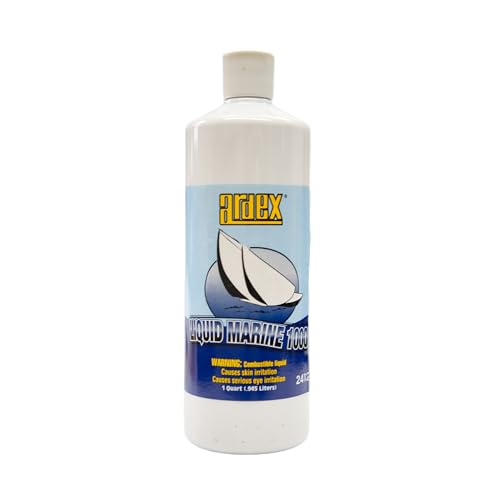
This is the case for a dedicated heavy-cut rubbing compound rather than a combination product. Expect to work in small sections, keep the pad and the surface damp, and accept that a badly neglected hull may need two passes with the compound before the polish step has a healthy surface to work with.
Moderate Fade Where You Want One Product to Do It All
One-step compound and polish combinations are aimed at exactly this middle ground: too dull for a pure polish, not chalky enough to justify a two-stage correction. They trade a little ultimate gloss for a lot of saved time, which is a fair trade on a boat that gets used more than it gets admired.
Finishing Gloss After the Cutting Is Done
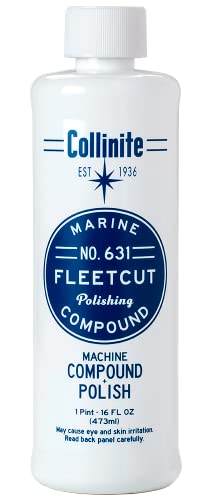
A proper marine polish is the step that turns a corrected but hazy surface into something that reflects the dock. It removes the fine scratch pattern the compound left, and on a hull that was only lightly faded it can be the only abrasive step you need at all.

Working by Hand Without a Machine Polisher
Hand correction is realistic on a small runabout or on the areas a machine cannot reach, and it goes far better with the right applicator pads and a compound formulated for hand use. Foam applicator pads and a stack of microfiber towels do more for the result than most owners expect.

Locking In the Work Afterward
Once the gelcoat is corrected it is bare and exposed, and the clock starts on the next round of oxidation immediately. A marine wax or synthetic sealant applied the same day is what makes the effort last a season instead of a month, which is covered in more detail in our boat wax guide.

Comparing the Three Abrasive Levels
The table below is the short version of everything above, laid out by how aggressive each product is and what it leaves behind. Match the row to what your rag test showed rather than to what the bottle promises on the front label.
| Product | Use it when | What it leaves | Next step |
|---|---|---|---|
| Rubbing compound | Heavy chalk, white transfers to the rag | Corrected but hazy surface | Polish, then wax |
| One-step compound and polish | Moderate fade, limited time | Good gloss, not show gloss | Wax |
| Polish | Dull but not chalky, or post-compound haze | Full gloss, bare surface | Wax |
| Wax or sealant | After any correction, or on healthy gelcoat | Protection, no correction | Reapply through the season |
Where Owners Go Wrong
The two mistakes that cost the most work are starting too aggressive and working in the sun. A heavy compound on lightly faded gelcoat removes more material than the boat needed, and gelcoat is a finite layer that does not grow back. Always test the mildest product that might work on a hidden panel first and step up only if it fails.
Working in direct sun or on a hot hull makes the product flash off before it has done anything, leaving dried residue in every crease and a surface that looks worse than when you started. Shade, an early start, and small sections at a time are not perfectionism, they are what makes the products behave as designed.
The Gelcoat Has a Limit
On a boat that has been compounded repeatedly over many seasons, there is eventually not enough pigmented gelcoat left to correct. The sign is a patch that will not come back to gloss no matter how many passes you make, sometimes with the underlying laminate pattern starting to show through. At that point the honest options are a topside paint or living with the finish, not another round of compound.
Machine or by Hand
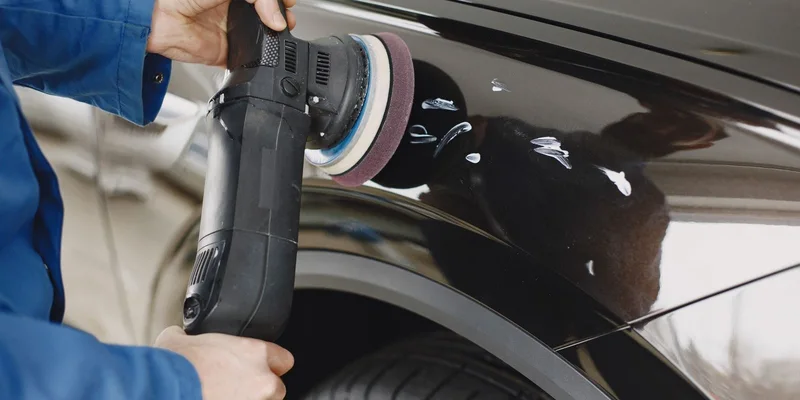
A dual action polisher does in an hour what takes most of a day by hand, and it produces a more even result because the pressure and speed stay consistent. For a hull longer than a small skiff, a machine is the difference between finishing the job and abandoning it halfway down the port side.
Hand work still has its place on rails, around hardware, on nonskid edges and on the small areas where a pad cannot sit flat. Many owners run the machine on the big flat topsides and finish the detail work by hand with the same product and a foam applicator.
Frequently Asked Questions
What is the difference between boat polish and boat compound? Compound is a coarser abrasive that removes oxidized gelcoat, polish is a finer abrasive that removes the haze compound leaves and restores gloss. Compound corrects damage, polish refines the correction, and neither one protects the surface afterward.
Can I just use car polish on a boat? Automotive products are formulated for clear coat over paint, which behaves differently from pigmented gelcoat. Marine compounds and polishes are built for the thicker, more porous gelcoat surface and for saltwater exposure, so they are the better match for topsides.
Do I need to wax after compounding? Yes. Compounding leaves the gelcoat bare and freshly opened, which is when it absorbs stains and starts oxidizing again fastest. A marine wax or synthetic sealant applied the same day is what preserves the work.
How many times can I compound a hull? There is no fixed number because it depends on how much gelcoat the builder laid down and how aggressive each pass was. When an area stops responding to compound, or the laminate pattern begins showing through, stop correcting and consider a topside paint instead.
Will compound remove scratches? Fine surface scratches and swirl marks usually come out with compound. A scratch you can catch a fingernail in is deeper than the abrasive step can reach and needs filling first, which our gelcoat scratch repair guide covers.
Should I compound a painted hull? Only with a product rated for the paint system on your boat, and only very cautiously. Topside paint layers are typically thinner than gelcoat, so an abrasive meant for gelcoat can cut through paint quickly. Check what the paint manufacturer recommends before touching it.
The Bottom Line
Diagnose before you buy: wet a patch, wipe a rag, and let the result decide whether you need a cutting compound, a one-step, or just a polish. Start with the mildest product that could work, keep the hull cool and shaded, and always seal the corrected surface the same day. Read also our boat wax guide for the protection step, our gelcoat scratch repair guide for damage the abrasives cannot reach, and our boat cleaner guide for the wash that should come first.