Last updated: August 20, 2026
Search for a boat winterization kit and you get two very different things under the same name. Some are a genuine bundle of the consumables you will actually use, antifreeze plus fogging oil plus fuel treatment. Others are a single jug of antifreeze with the word kit on the label, or an engine-specific service pack of filters and gear lube that assumes you already own everything else.
That inconsistency is the reason so many owners end up making a second trip. This guide breaks the job down into the four groups of supplies a trailer boat winterization really needs, explains which of them a kit typically covers, and shows where buying the pieces separately makes more sense than buying the box.
This article contains affiliate links. If you buy through them, we may earn a commission at no extra cost to you. Learn more.
Quick Answer
What is really in a boat winterization kit?
- Fluids you consume: non-toxic marine antifreeze, fogging oil, fuel stabilizer, engine oil and gear lube.
- Engine-specific parts: oil filter, fuel filter or water separator, and sometimes a water pump impeller.
- Tools you keep: a motor flusher, an oil extractor or drain pan, and a gear lube pump.
- Storage items: a moisture absorber, cover support pole and a battery maintainer.
Bottom line: check what the listing actually contains before assuming a kit is complete, because most bundles cover the fluids and leave the tools and filters to you.
The Four Groups of Winterization Supplies
Everything on the list falls into one of four groups. Consumable fluids get used and thrown away. Engine-specific parts are matched to your model and serial number. Tools are a one-time purchase you reuse every season. Storage items protect the boat while it sits rather than protecting the engine. Kits usually cover the first group well and the other three unevenly.
Sorting purchases that way is useful because the tools are the part that pays for itself. Buying a motor flusher and a gear lube pump once turns winterization into an afternoon you can repeat every year without a shopping trip, and the same tools handle the mid-season flush after a salt water day.
Antifreeze Is the Bulk of the Kit
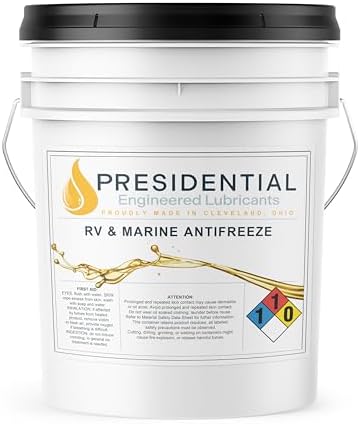
Non-toxic propylene glycol marine antifreeze is the heaviest and most-used item in any winterization purchase. It goes into water passages that will not drain fully and into any plumbing you cannot blow out. Buy by the burst rating printed on the jug rather than by color, because different ratings are sold in the same shade.
How many gallons you need depends on what your boat has aboard. An outboard boat with no plumbing beyond a bilge may need very little, while a boat with a freshwater tank, head and livewell system needs enough to push colored fluid all the way through each circuit. It is a product worth having a spare jug of rather than running short at dusk.
Fogging Oil and Fuel Treatment
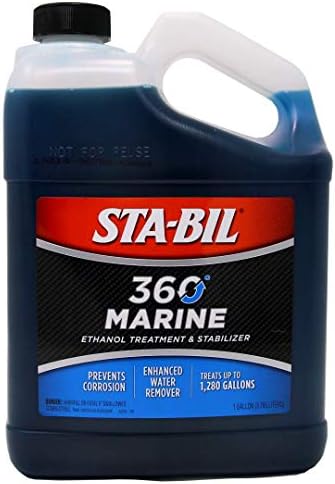
Fogging oil coats cylinder walls so bare metal is not exposed to damp air for months. Fuel stabilizer keeps gasoline from degrading and helps manage the water that ethanol-blended fuel attracts. These two are the small, cheap items that prevent the largest repair bills, and they are the ones most likely to be genuinely included in a bundle.
Marine fuel treatments are a separate category from generic small-engine stabilizers for a reason. STA-BIL 360 Marine, for example, is sold specifically as an ethanol treatment and fuel stabilizer for marine engines, and Star brite sells its own marine formulations. Follow the dose on the bottle and add it before the last run, not after shutdown.

Filters and Gear Lube Are Engine-Specific
Oil filters, fuel water separator elements and water pump impellers are matched to your engine model and serial number, which is why a general winterization kit rarely includes them. Manufacturers publish the part numbers by model, and buying against your serial number is the only reliable way to get the right filter the first time.
Gear lube is the same story in a smaller way. Lower units and outdrives specify a gear oil grade, and some use a different specification than others in the same brand’s lineup. Check the manual, buy enough to refill completely rather than top off, and buy the pump if you do not already own one.
The Tools Most Kits Leave Out
A motor flusher is the item people discover they are missing halfway through the job. It clamps over the water intakes so a garden hose can feed the cooling system while the engine runs. Camco, Attwood and Seachoice all sell dual feed flushers on Amazon, and Seachoice also offers an adjustable inboard flusher with a telescoping shaft for sterndrives.
Beyond that, the short tool list is an oil extractor or a drain pan that fits under your cowling, a gear lube pump, a socket for the drain and fill screws, and a funnel dedicated to antifreeze. None of them are exotic, and all of them get used again every year.

What Kits Include and What They Skip
| Item | Usually in a kit | Why it matters | Buy separately if |
|---|---|---|---|
| Marine antifreeze | Often | Protects passages that will not drain | You need more than a jug or two |
| Fogging oil | Often | Coats cylinder walls during storage | Your engine specifies a method |
| Fuel stabilizer | Often | Slows fuel degradation and water pickup | You treat a large tank |
| Oil and fuel filters | Rarely | Must match model and serial number | Always, by part number |
| Gear lube and pump | Sometimes | Drive oil change and inspection | Your drive uses a specific grade |
| Motor flusher | Rarely | Feeds fresh water during the flush | You do not own one yet |
| Moisture absorber | Rarely | Keeps the interior from going musty | The boat is covered for months |
Storage Items Protect the Boat, Not the Engine
Once the mechanical work is done, the remaining purchases are about the months of sitting. A moisture absorber in the cabin or under the cover pulls humidity out of trapped air, which is the difference between clean vinyl in spring and a mildew job. Star brite sells its No Damp absorber in hanging bags and refillable buckets sized for cabins and larger spaces.
The other two are a cover support pole so rain and snow shed instead of pooling, and a battery maintainer rated for your battery chemistry. Neither belongs to the engine service, and neither shows up in a typical winterization kit listing, which is exactly why they get forgotten.

Mistakes When Buying a Winterization Kit
The most common one is buying by the word kit instead of by the contents list. Read the actual bullet points in the listing, count what is in the photo, and compare that against the four groups above. A bundle that covers three fluids is genuinely useful, but it is not a complete winterization on its own.
The second is buying antifreeze without checking the burst rating, and the third is buying filters by engine brand rather than by serial number. Both are quick to verify before you order and annoying to discover on a Saturday with the boat already up on the trailer.
Frequently Asked Questions
Is a boat winterization kit worth buying? It is worth it if the listing genuinely bundles antifreeze, fogging oil and fuel treatment, since those are the three you use every year. If it is one product in a box with kit on the label, buying the pieces individually gives you better control over quantity and formulation.
How much antifreeze does a boat need? It depends on what plumbing is aboard. An outboard boat with no water systems needs very little, while a boat with a freshwater tank, head and livewell needs enough to run colored fluid through each circuit until it comes out the other end. Buy a spare jug rather than guessing low.
Do outboards need the same kit as sterndrives? No. Outboards typically drain by gravity when tilted down and need less antifreeze, while sterndrives and inboards have block and manifold drains and often need more attention to the cooling system. The consumables overlap, the quantities do not.
Can I use automotive antifreeze in a boat? No. Automotive ethylene glycol coolant is toxic and does not belong in a system that can discharge to the water. Marine winterizing antifreeze is a non-toxic propylene glycol product sold specifically for this job.
What is the one item people forget? A motor flusher. Owners assume they can run the engine dry for a minute, which risks the water pump impeller, or they discover at the last moment that their hose fitting does not clamp over the intakes on their drive.
Does a winterization kit include the oil filter? Usually not, because filters are matched to engine model and serial number. Look up the part number from the manufacturer and order it alongside whatever bundle you buy.
The Bottom Line
A boat winterization kit is a convenient way to buy the fluids, not a complete solution to the job. Treat it as the antifreeze, fogging oil and fuel treatment portion, then add your engine-specific filters and gear lube by serial number, the tools you will reuse every season, and the storage items that protect the interior. The full sequence is in our boat winterization walkthrough, and the fuel side is covered in more depth in our marine fuel stabilizer guide.