
Last updated: August 20, 2026
Bottom paint is one of the few boat decisions that is genuinely hard to undo. Once antifouling goes on a hull, taking it off again is a miserable, dusty, regulated job, and the resale conversation changes forever. That is why the first question is not which paint, but whether your boat needs paint at all.
For a trailered boat that comes out of the water after every trip, the answer is usually no. For a boat that lives in a slip or on a lift in warm water, the answer is usually yes, and then the choice between ablative and hard paint decides how the hull behaves for the next several seasons. This guide walks through both decisions in the order they actually matter.
This article contains affiliate links. If you buy through them, we may earn a commission at no extra cost to you. Learn more.
Quick Answer
Does your boat need bottom paint, and should it be ablative or hard?
- A boat that is trailered and rinsed after each use generally does not need antifouling at all.
- A boat that stays in the water for weeks or a whole season does, because growth starts within days in warm water.
- Ablative paint wears away as the boat moves and suits seasonal use and regular hauling.
- Hard paint stays put and is chosen for boats kept in high fouling water, or hulls that get scrubbed in place.
Bottom line: decide by how long the hull sits in water, then match the paint type to that pattern and to your hull material.
Does a Trailered Boat Need Bottom Paint?
Usually not. Marine growth needs time in the water to attach, and a hull that is launched, used and pulled out the same day gives barnacles and slime very little opportunity. Bare gelcoat that gets rinsed and dried between trips stays clean, stays fast, and stays easy to sell.
The picture changes once the boat stays wet. Owners who keep a boat in a slip through the season, or who leave it in for several weeks at a time in warm water, run into slime, then weed, then hard growth, and painting becomes the practical answer rather than an optional upgrade.
The In Between Case
Plenty of owners fall between the two: trailered most of the time, but left in the water for a two week vacation or a long weekend at the lake. In that pattern a good wash and a cleaning session afterwards usually beats committing the hull to paint, since soft growth from a short stay comes off with a hull cleaner and effort.
If those stays keep getting longer, or if you find yourself scraping hard growth rather than wiping slime, that is the signal the pattern has changed. Painting is a response to how the boat is actually used, not to how it was used the year you bought it.
Ablative and Hard Paint Compared
The core difference is what happens to the film over time. Ablative paint is designed to wear away slowly as water moves past the hull, constantly exposing fresh biocide. Hard paint, sometimes called modified epoxy, cures to a film that stays on the hull and releases biocide from a matrix that remains in place.
| Paint type | How it works | Suits | Main drawback |
|---|---|---|---|
| Ablative | Wears away with water flow, exposing fresh surface | Seasonal use, boats hauled each winter | Wears faster in high flow areas and at the waterline |
| Hard modified epoxy | Film stays on the hull and leaches biocide | Boats kept in warm, high fouling water | Builds up over years and eventually needs stripping |
| Hybrid or self polishing | Slow polishing action, less build up than hard paint | Owners wanting a middle path | Costs more than a basic ablative |
| Aluminum safe | Copper free formulation | Aluminum hulls, outdrives, pontoon logs | Choice is limited to approved products only |
Aluminum Hulls Need a Different Paint
Copper based antifouling on a bare aluminum hull sets up a galvanic reaction that corrodes the metal, which is why paint manufacturers publish explicit compatibility guidance. Interlux, for instance, states that some of its hard antifoulings must not be applied to aluminum, and both Interlux and Pettit list aluminum approved, copper free products separately in their line.
The practical rule is to read the manufacturer’s own compatibility information for the exact product before you buy, rather than assuming a marine paint is safe on metal. That applies equally to outdrives, outboard lower units and pontoon logs, which are aluminum even when the hull above them is not.
Pontoon Logs Are a Special Case
Pontoon owners in fouling water often ask about painting the logs. The same copper free restriction applies, and many owners in seasonal fresh water skip paint entirely and clean the logs each haul out instead. Our pontoon cleaning guide covers the products used for that.
If the toons genuinely live in the water year round, the aluminum specific line from a major manufacturer is the only sensible starting point, along with a conversation with a yard that has painted toons in your water before.
Compatibility With What Is Already There
Repainting over existing antifouling is common, but not every paint sticks to every other paint. Manufacturers publish compatibility charts showing which of their products can go over which existing coatings, and whether a barrier or tie coat is required in between. Applying an incompatible layer causes lifting and peeling that means stripping the lot.
If you do not know what is already on the hull, that uncertainty is itself an answer: either test a small patch as the manufacturer describes, or budget for stripping back to a known surface. Guessing here is expensive.
Rules, Waste and Where the Work Happens
Antifouling is a regulated coating. Restrictions on copper content, on where sanding and stripping may be done, and on how the residue must be collected vary by state and often by marina, so check your state’s environmental and boating agencies and the yard’s own rules before you start. Do not assume what is allowed elsewhere applies to you.
Many yards require the work to be done on their hardstand with containment, or by their own staff, precisely because of that waste handling. Finding out after you have bought the paint is a bad sequence.
The Single Product Most Owners Buy
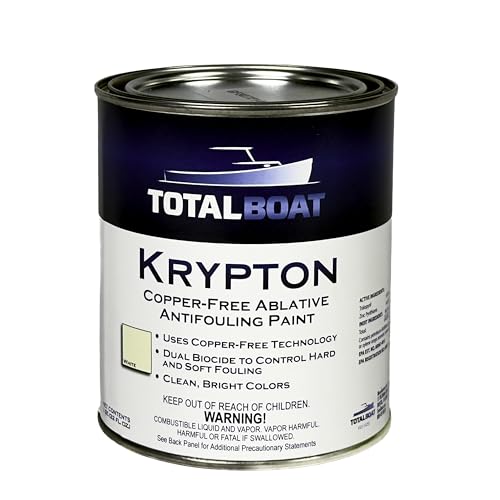
For a fiberglass hull that stays in the water seasonally and comes out each winter, an ablative antifouling from a mainstream marine paint brand is the common starting point, chosen in the color you can live with for years. Confirm the product is approved for your hull material and for whatever is already on it before ordering.
Frequently Asked Questions
Do I need bottom paint if I trailer my boat? Generally no. Growth needs sustained time in the water, and a hull that is launched and retrieved the same day rarely fouls. Paint becomes worth considering only when the boat starts staying in the water for weeks at a time.
What is the difference between ablative and hard bottom paint? Ablative wears away with water flow and keeps exposing fresh surface, which suits seasonal use and regular hauling. Hard paint stays on the hull and is chosen for boats kept in high fouling water, at the cost of paint build up over the years.
Can I put bottom paint on an aluminum boat? Only a product the manufacturer lists as aluminum approved. Copper based antifouling causes galvanic corrosion on bare aluminum, and paint makers publish which of their products may and may not be used on metal hulls, outdrives and lower units.
Can I paint over the bottom paint that is already there? Sometimes, but only if the new product is compatible with the old one. Manufacturers publish compatibility charts, and applying an incompatible coating leads to lifting and peeling that forces a full strip.
Does bottom paint slow a boat down? A fresh, smooth coating costs very little speed. A rough, built up or fouled bottom costs a lot more, which is why owners who keep painted boats also keep them clean rather than relying on the paint alone.
Does bottom paint hurt resale value? On a trailerable boat that would normally have a bare hull, painted bottoms narrow the buyer pool, because removing paint is a costly job. It is one of the strongest reasons not to paint a boat that does not actually need it.
The Bottom Line
Bottom paint answers a storage question, not a maintenance one. If the boat leaves the water after each trip, keep the hull bare and clean it; if it lives in the water, choose ablative for seasonal use and hard paint for long stays in high fouling water, and follow the manufacturer’s own compatibility guidance for your hull material and for whatever coating is already there. Check your state and your yard on waste rules before you open a can. For aluminum hulls start with our aluminum boat paint guide, and for growth already on the hull see how to remove barnacles.