
Last updated: August 20, 2026
Shrink wrap looks like magic the first time you watch it happen. A loose sheet of white film goes over the boat, someone walks around it with a heat gun, and twenty minutes later the boat is sealed in a tight, drum-skinned shell that sheds snow all winter. Then you price the professional job for a boat you only store for four months, and you start wondering about the DIY kits.
You can do it yourself. Plenty of owners do, and the kits sold for that purpose are complete enough to make it realistic. What the listings do not tell you is which pieces matter, where the technique actually lives, and which parts of the job are the difference between a wrap that survives February and one that becomes a flapping mess in January.
This article contains affiliate links. If you buy through them, we may earn a commission at no extra cost to you. Learn more.
Quick Answer
What is in a boat shrink wrap kit?
- A roll of shrink film sized to your boat length, commonly sold in 7 mil for marine use.
- Woven strapping to build a perimeter belly band, plus heat shrink tape for seams and patches.
- Vents, and often a zipper door if you need winter access to the boat.
- Not always included: the propane heat tool, the support frame material, and padding for sharp edges.
Bottom line: the film and tape are the easy part. Budget for the heat tool, the frame and the vents, because those decide whether the wrap holds.
What Shrink Wrap Is and Why It Holds
Shrink wrap for boats is a heavy polyethylene film that contracts when heated, pulling itself tight over whatever shape it covers. Because it conforms instead of draping, it has almost no flat spots for water to pond in, and once it is tight it does not flap in wind the way a loose cover does.
Marine film is sold by thickness in mils and by roll width and length. Dr. Shrink, one of the established suppliers, lists 7 mil white film and offers kits sized for runabouts and pontoon boats up to 24 feet. Buy by your boat’s length overall plus enough to reach down the sides and under the belly band.

What a Complete DIY Kit Contains
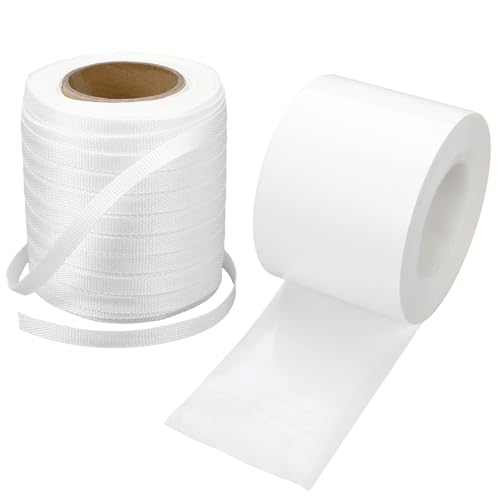
A genuine kit gives you film, woven cord strapping for the belly band, and heat shrink tape for sealing seams and repairing tears. Better kits add vents and sometimes a zipper access door. That combination is enough to wrap a small runabout or pontoon if you already have a heat source.
The Dr. Shrink runabout and pontoon kit is a good example of the format, bundling a roll of 7 mil film with heat shrink tape and woven cord strapping. Compare that against listings that are only a roll of film, since the strapping and tape are what actually hold the shape together.
The Tool the Kit Usually Skips
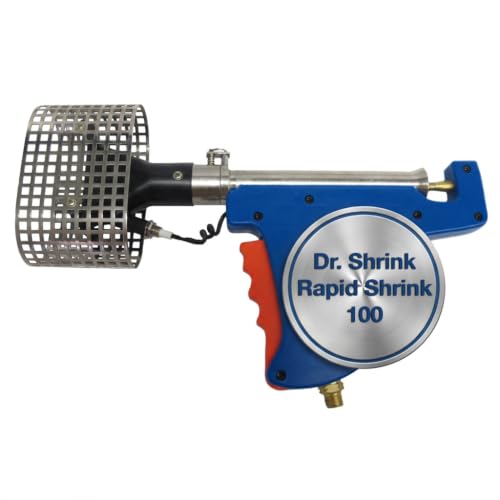
Shrinking the film requires a propane heat tool, and most kits do not include one. It is a wand connected to a propane cylinder, and it is a genuine one-time investment that then covers every future season. A general purpose heat gun is not the same tool and will not produce enough heat over enough area.
Heat plus a flammable film over a fuel-carrying boat is the part to respect. Work with the fuel system closed, keep a fire extinguisher within arm’s reach, keep the flame moving instead of dwelling in one spot, and stay well away from anything that can melt. If any of that reads as uncomfortable, this is a reasonable job to hire out.
The Frame Is What Makes It Shed Snow
Film alone drapes into the cockpit. A frame, usually built from strapping and vertical supports running down the centerline, creates the ridge that makes the finished wrap a tent instead of a bowl. That peak is why a good wrap sheds snow and a bad one collects it.
Padding the Contact Points
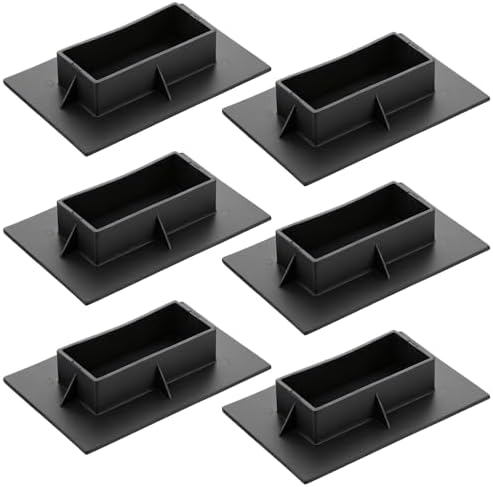
Anywhere the frame or the film presses against a hard edge is a future hole. Windshield corners, cleats, bow rails, rod holders and antenna mounts all get padded before the film goes on. Foam pipe insulation or purpose-made cap kits do the job, and skipping this step is the single most common source of mid-winter tears.
Vents Are Not Optional
A sealed wrap turns the boat into a container of trapped humid air. Over five months that moisture condenses on every cold surface and settles into carpet, upholstery and lockers, which is how a perfectly wrapped boat still opens up in spring smelling musty and showing mildew.
Vents go into the film on both sides, positioned high, so air can actually cross the interior rather than sitting still. Add a moisture absorber inside the boat as well, since the vents handle exchange while the absorber handles the humidity already aboard when you wrapped it.
Shrink Wrap Kit Formats Compared
| Format | What you get | Still need | Best for |
|---|---|---|---|
| Film roll only | Shrink film by width and length | Strapping, tape, vents, heat tool | Owners already set up |
| Complete kit | Film, strapping, heat tape | Heat tool, frame, padding | First-time DIY on a small boat |
| Kit plus accessories | Adds vents and a zipper door | Heat tool and frame material | Boats you need to access |
| Professional service | Frame, wrap, vents, labor | Nothing, plus removal in spring | Large boats and tight schedules |
What DIY Wrapping Really Costs You
The film and consumables are bought fresh every season, while the heat tool and any reusable frame hardware are a one-time purchase. That is the whole economic argument for DIY: the first winter carries the tool, and every winter after that is just film, strapping and tape. Check current listings for what each piece runs.
Against that, weigh your time and your comfort with the heat tool. A professional wrap on a larger boat buys a frame built by someone who does it daily, and spring removal handled for you. Owners of trailerable boats are the group for whom DIY usually pencils out.
Mistakes That Wreck a Wrap in January
Not padding sharp points is first, because a film pulled tight against a windshield corner will eventually tear there, and once wind gets under a tear the whole wrap unzips. Second is no vents, which trades a snow problem for a mildew problem. Third is a weak or missing belly band, so the wrap lifts at the chine in the first real storm.
The fourth is wrapping over a boat that is still wet. Bilge water, damp carpet and a wet cover all stay inside for the winter. Dry the boat, open the lockers, add a moisture absorber, and only then wrap. If that whole list sounds like a lot, our cover versus shrink wrap comparison weighs the alternative.
Frequently Asked Questions
Can you shrink wrap a boat yourself? Yes, and owners of trailerable boats regularly do. You need a kit with film, strapping and heat tape, a propane heat tool, a frame to create a peak, padding at sharp points, and vents. The technique is learnable but the heat tool deserves respect.
What thickness of shrink wrap do I need? Marine film is commonly sold in 7 mil, which is what suppliers like Dr. Shrink list for boat use. Thicker film resists tearing better and is harder to work with, so check what the supplier recommends for your boat length and your climate.
How long does shrink wrap last on a boat? It is designed as a single-season product. A well-executed wrap holds through one winter and is cut off in spring. It is not intended to be reused the following year.
Do I need vents in shrink wrap? Yes. Without them the wrap seals in the moisture already aboard, and that condenses into carpet and upholstery over months. Vents on both sides, positioned high, plus a moisture absorber inside, is the standard approach.
Can shrink wrap go over a bimini top? Take the bimini down and store it dry rather than wrapping over it. A bimini bow under a tight film is a pressure point and a likely tear, and canvas sealed under wrap for months is a mildew risk.
Is shrink wrap better than a cover for snow? It usually sheds snow better because it conforms tightly and holds its peak, but only if the frame underneath creates that peak. A winter cover on a proper support system performs similarly, and it is reusable.
The Bottom Line
A boat shrink wrap kit gives you film, strapping and heat tape. The parts that determine whether it survives the winter are the ones you supply: a frame that builds a real peak, padding at every sharp point, vents on both sides, and a dry boat underneath. Get those right and DIY wrapping is genuinely worth it on a trailerable boat. Compare the alternative in our winter cover guide, and see our support pole guide if you go the fabric route.